Helen Clark's Newsletter - May - July
MAY
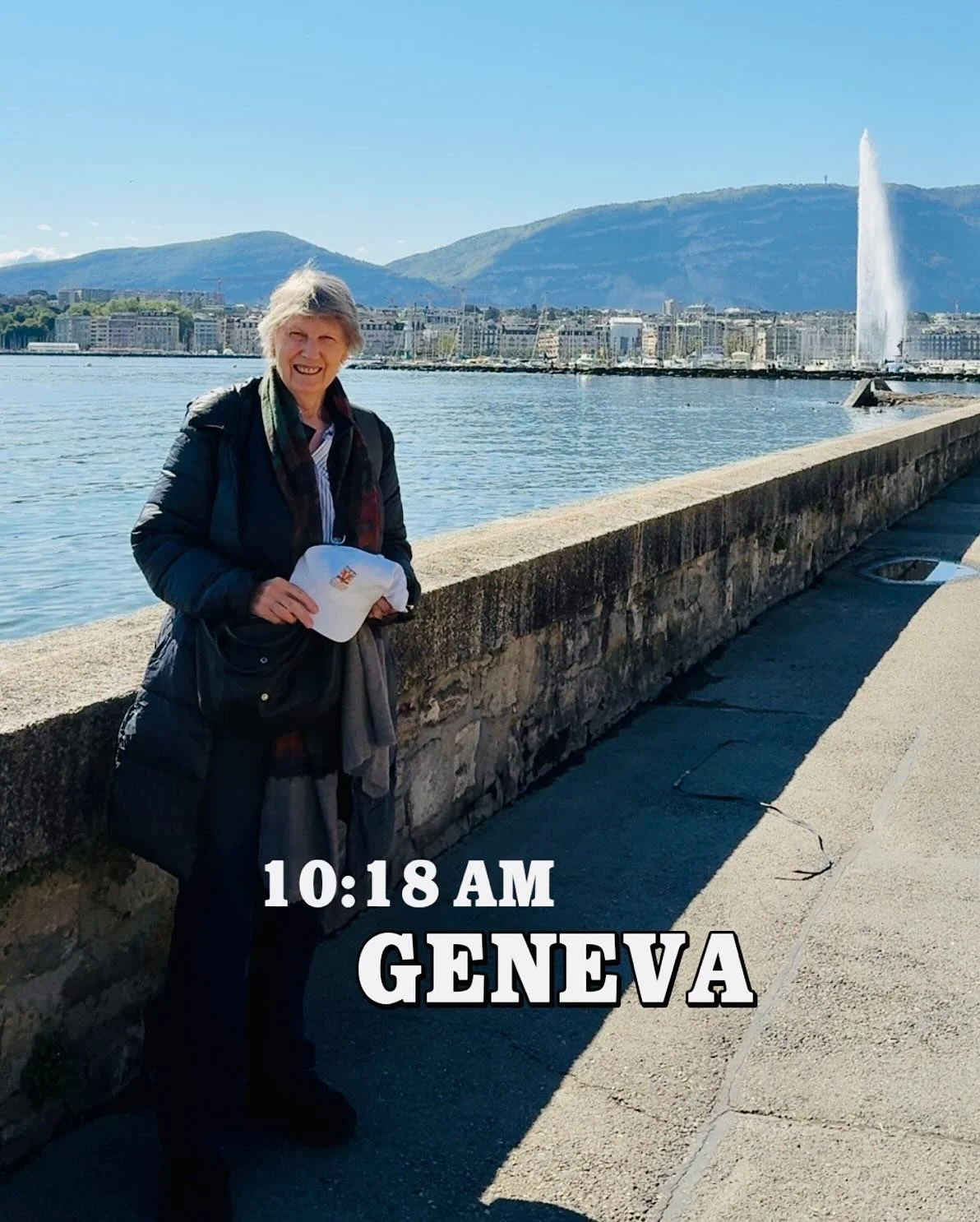
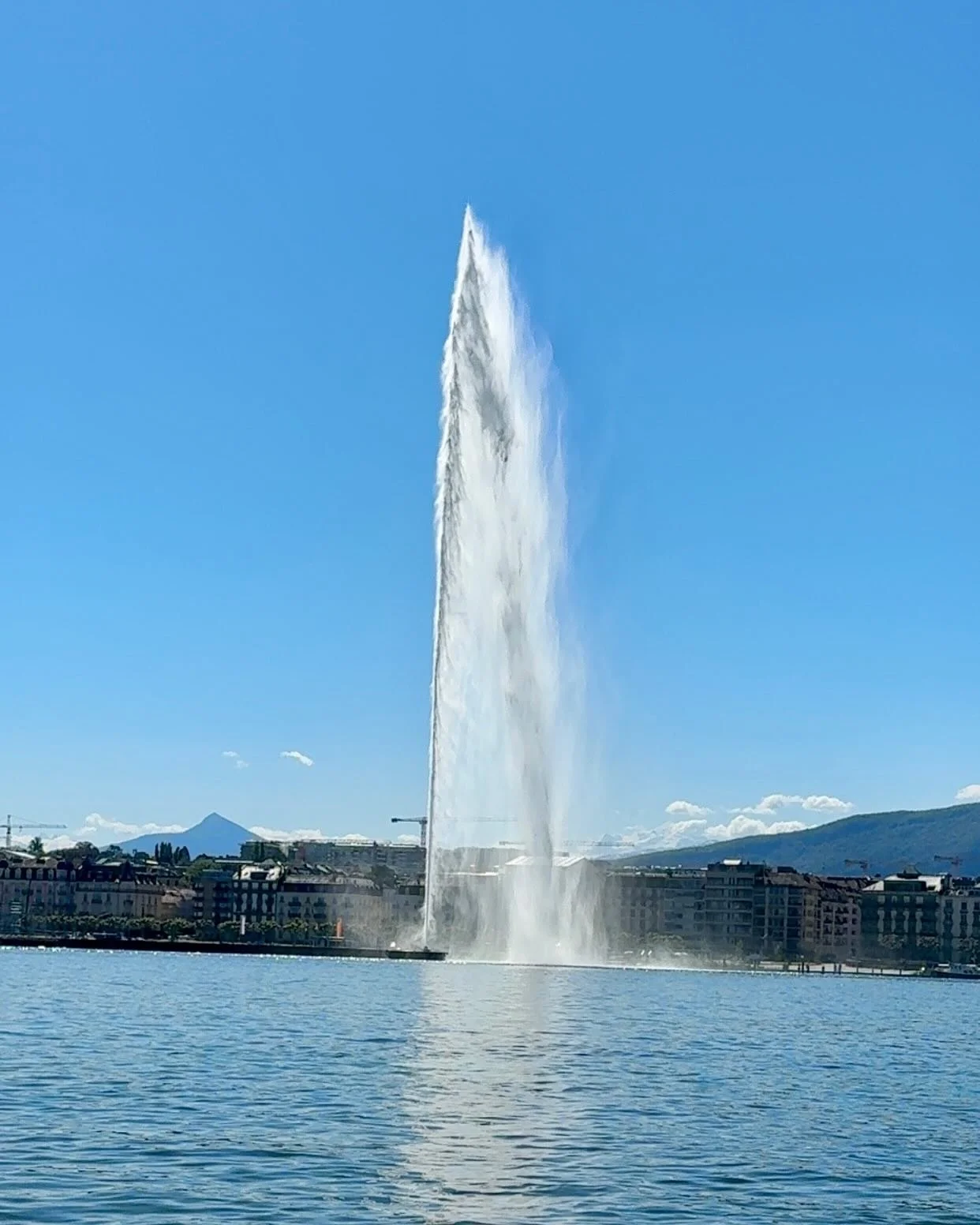
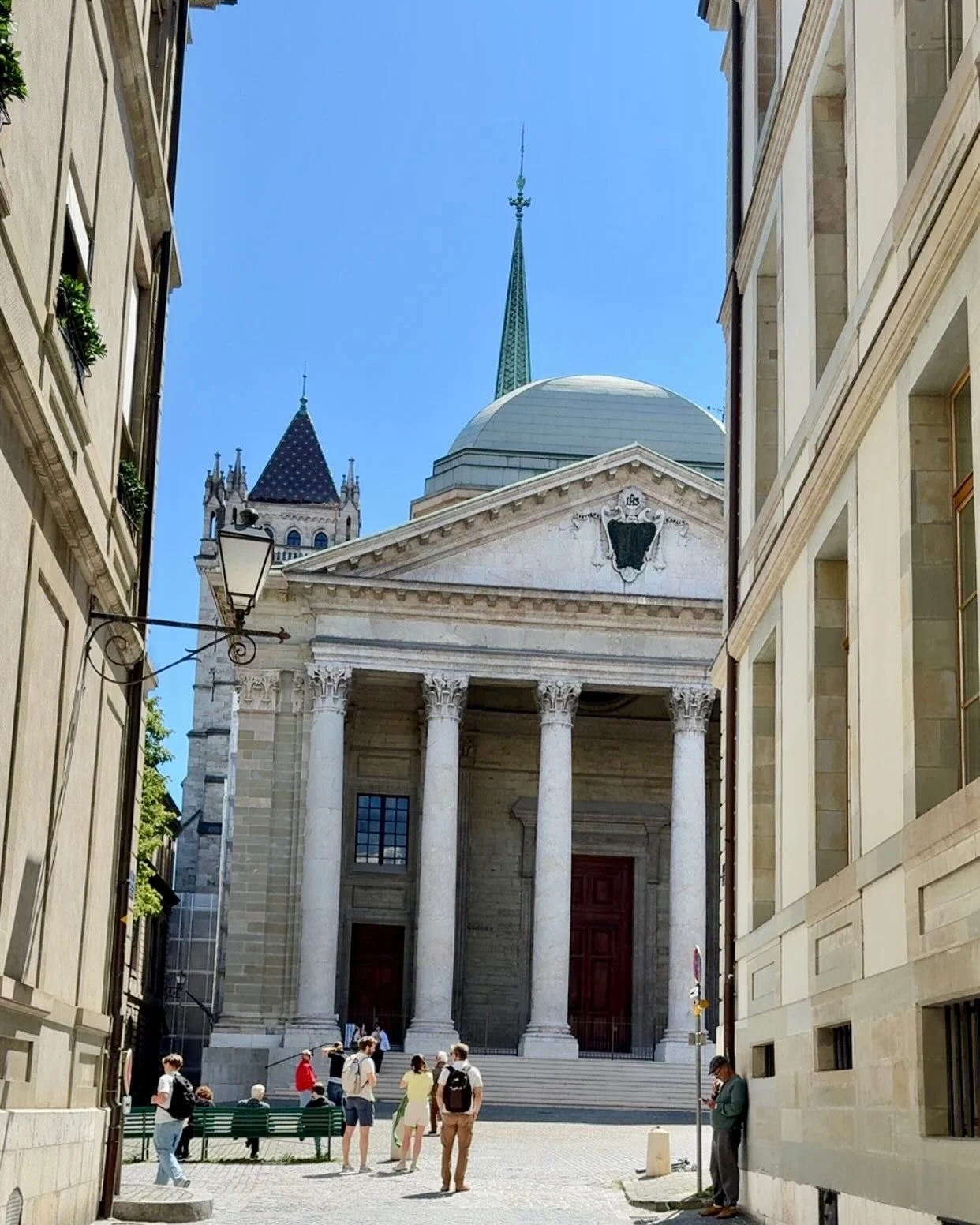
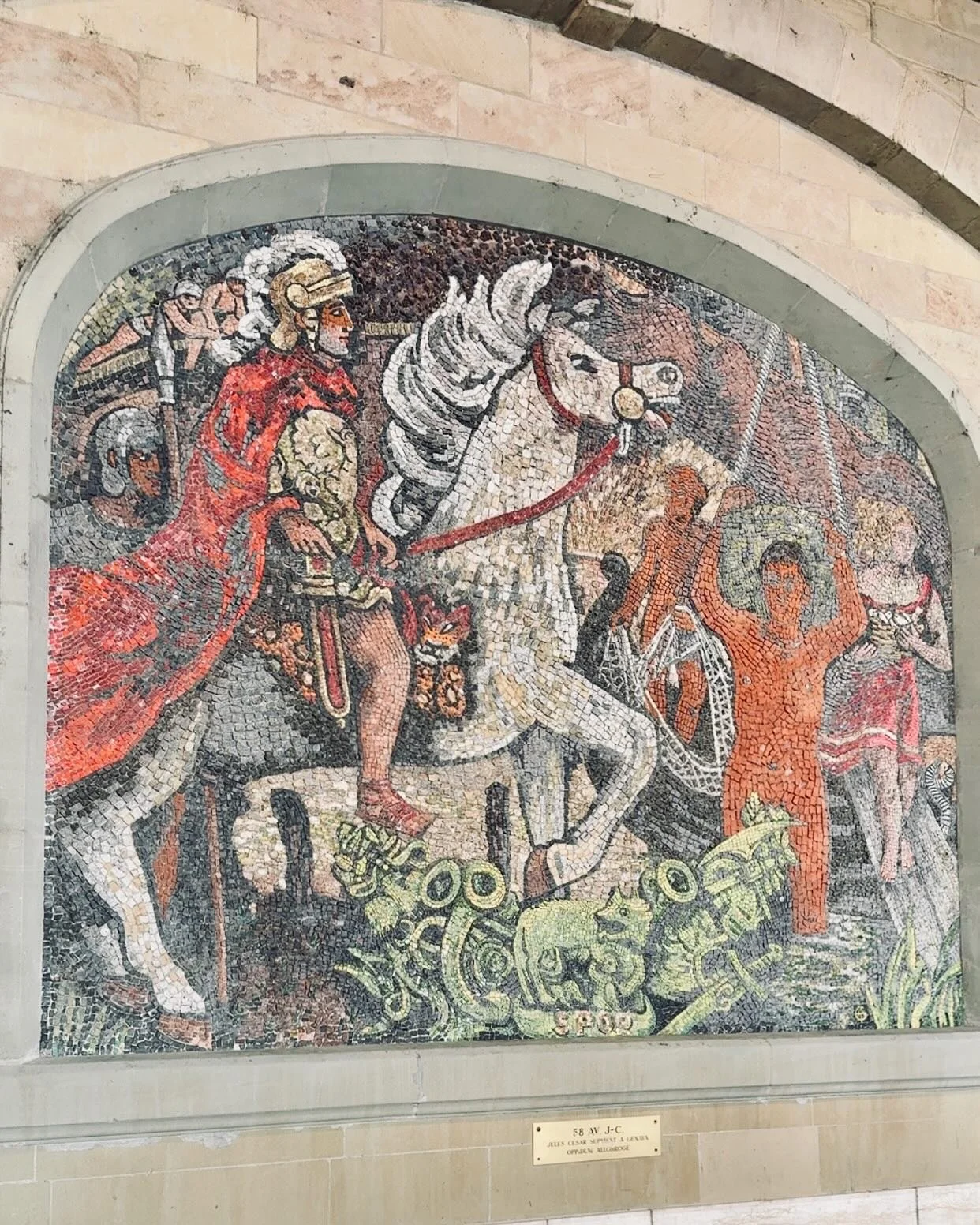
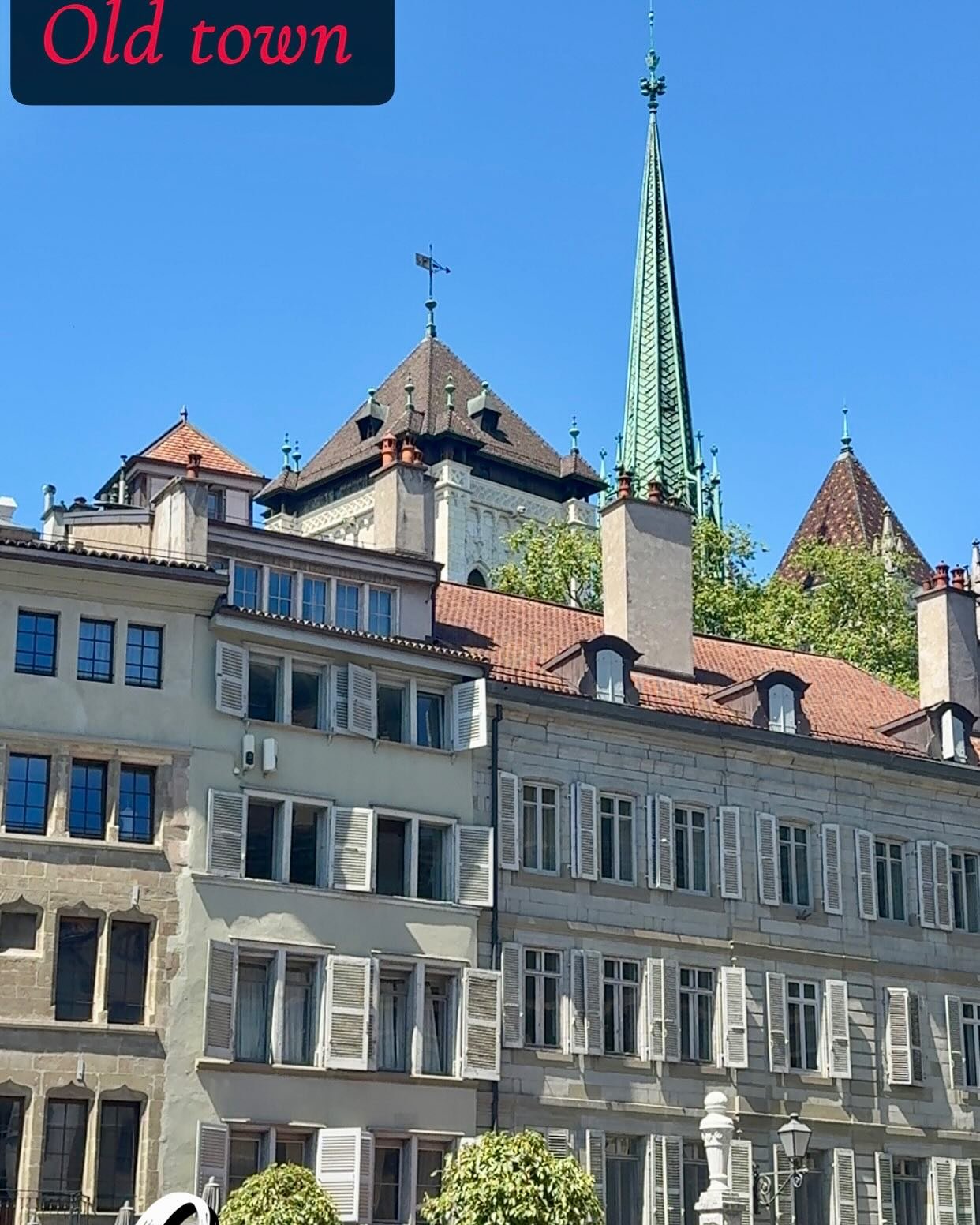
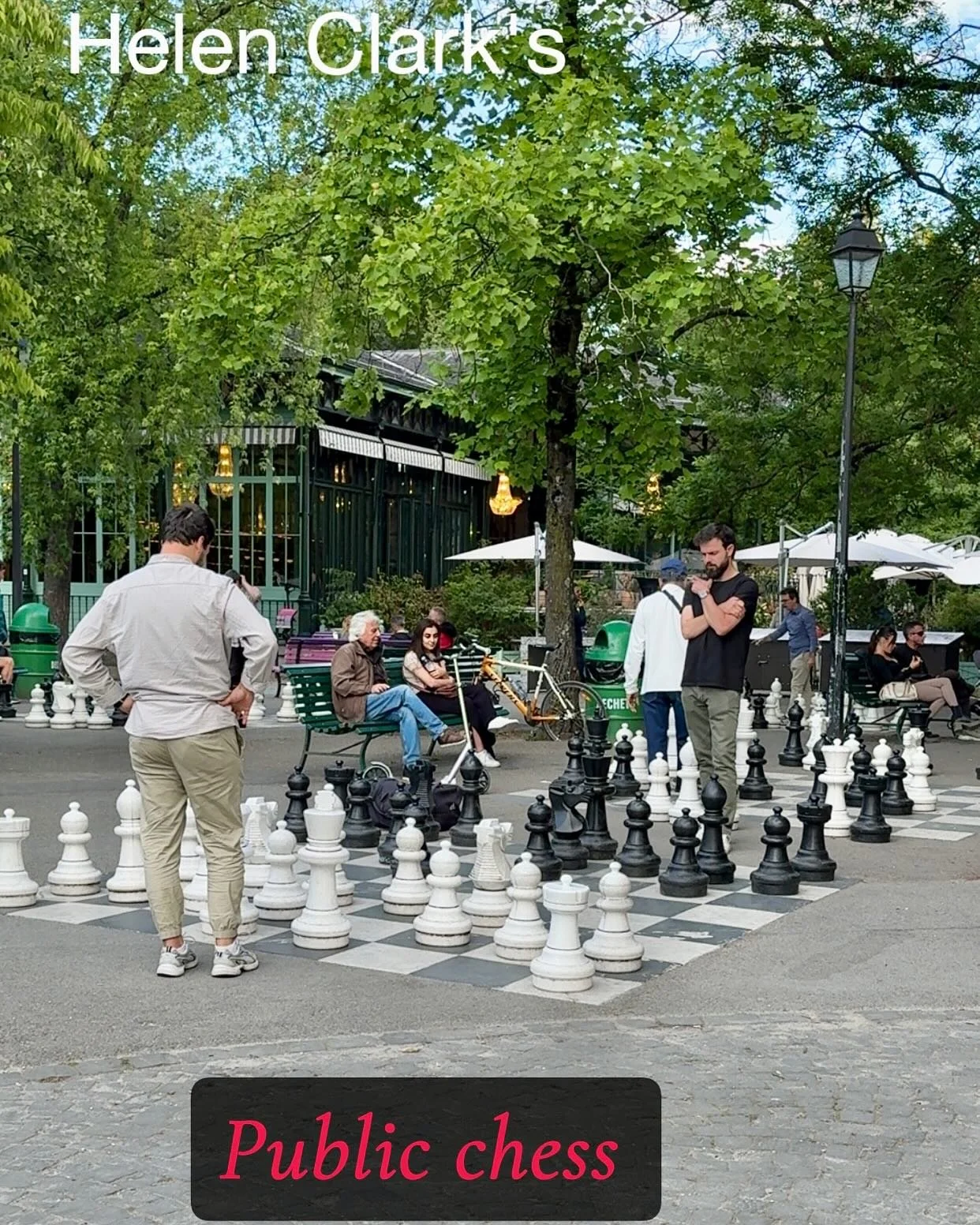
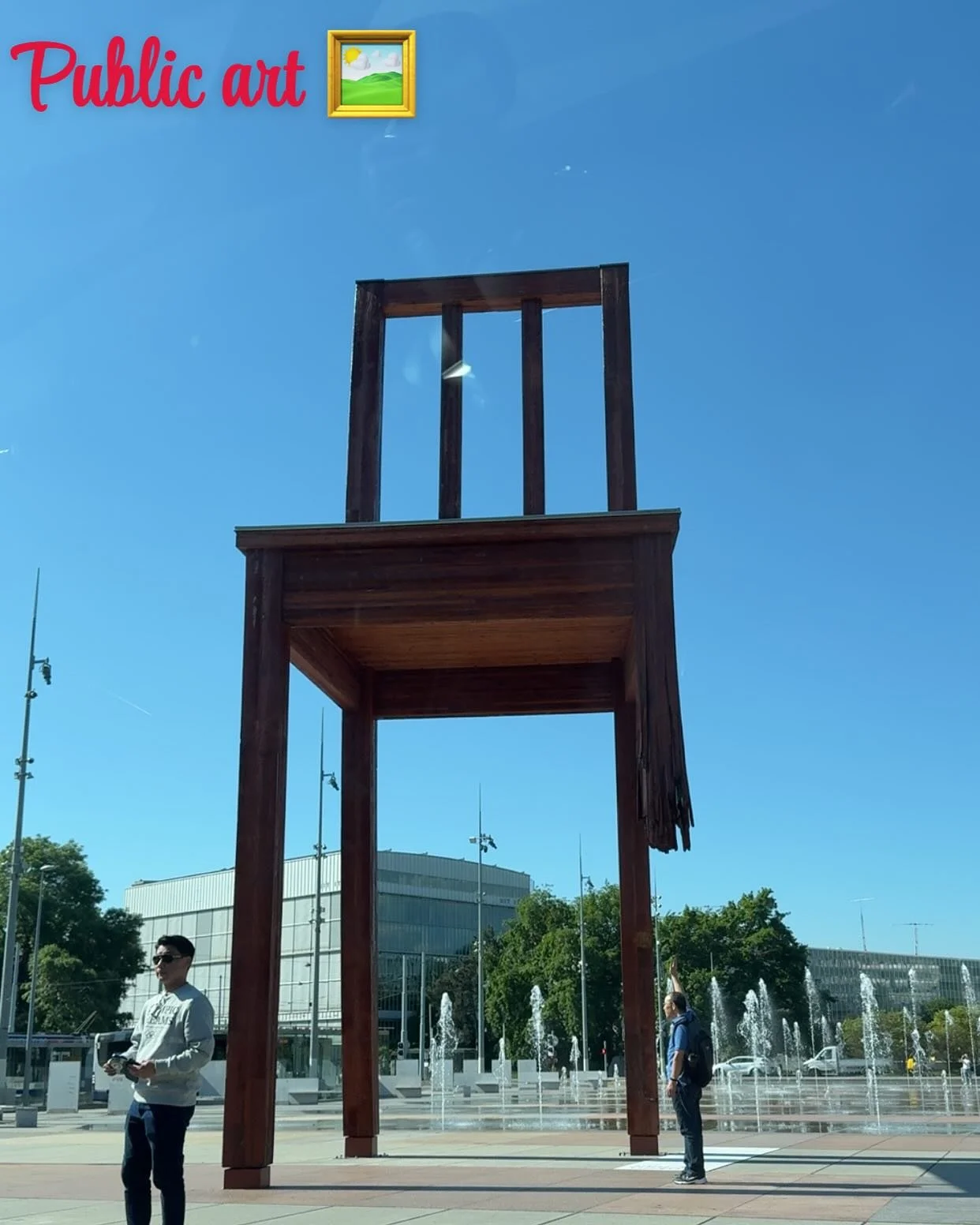
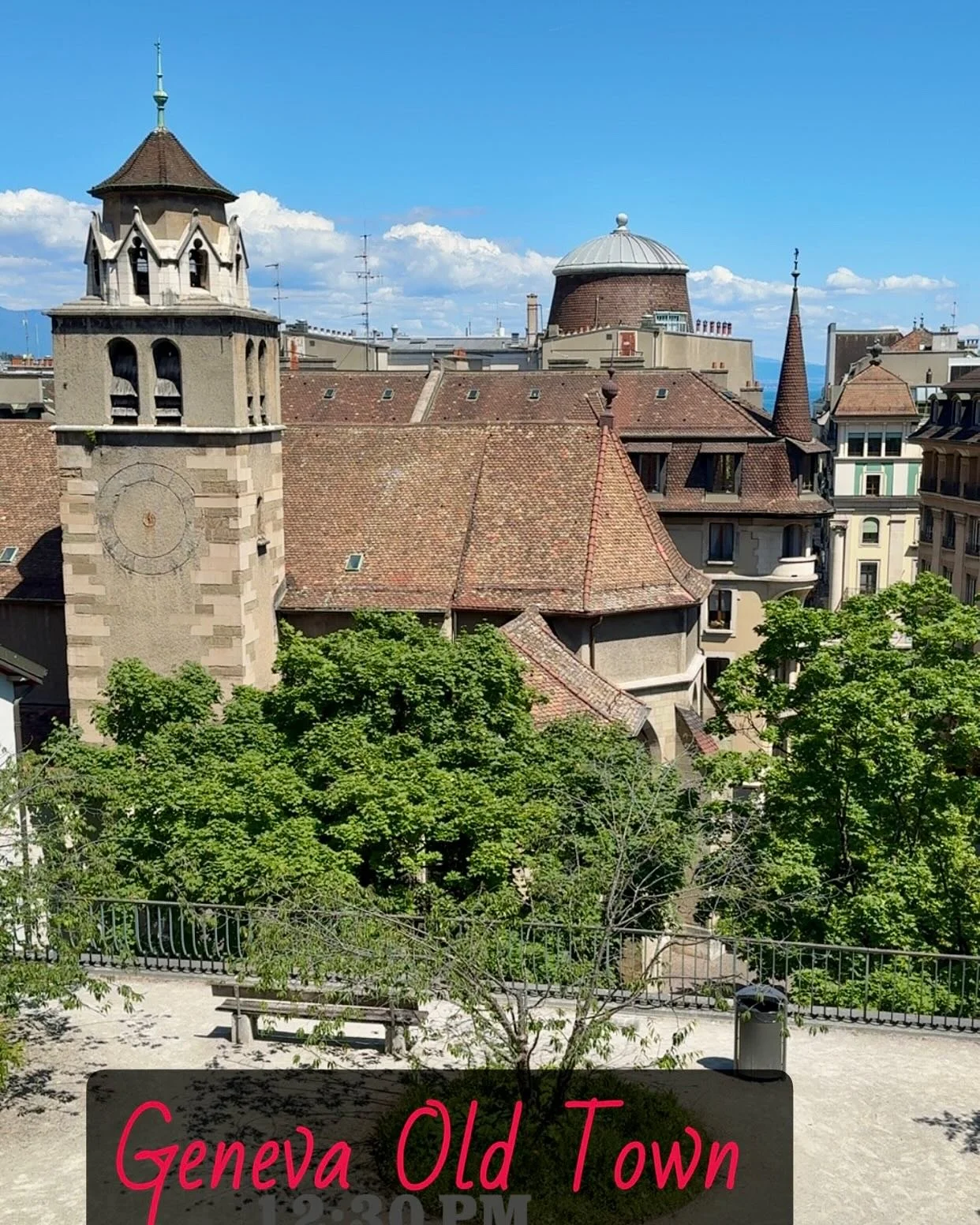
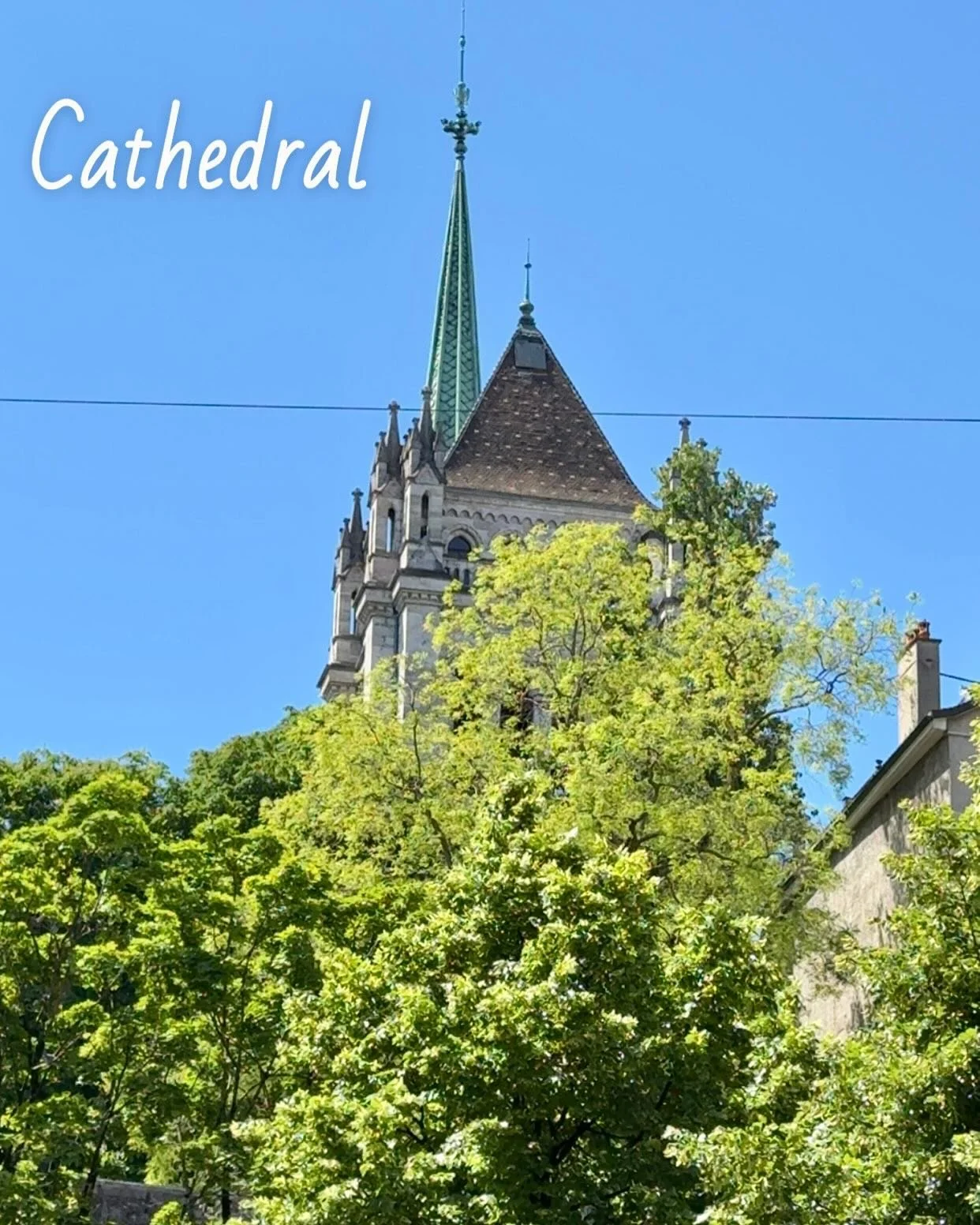
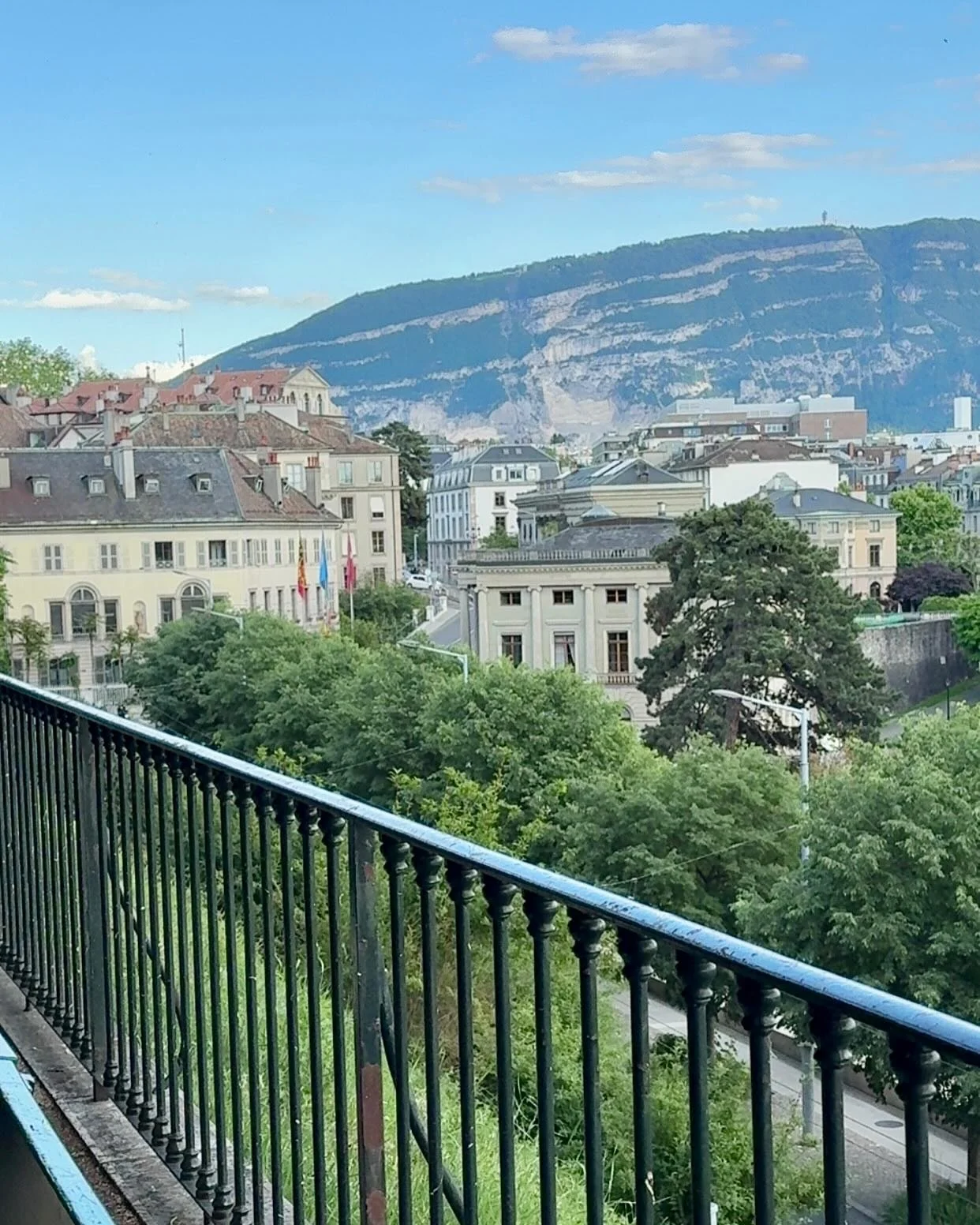
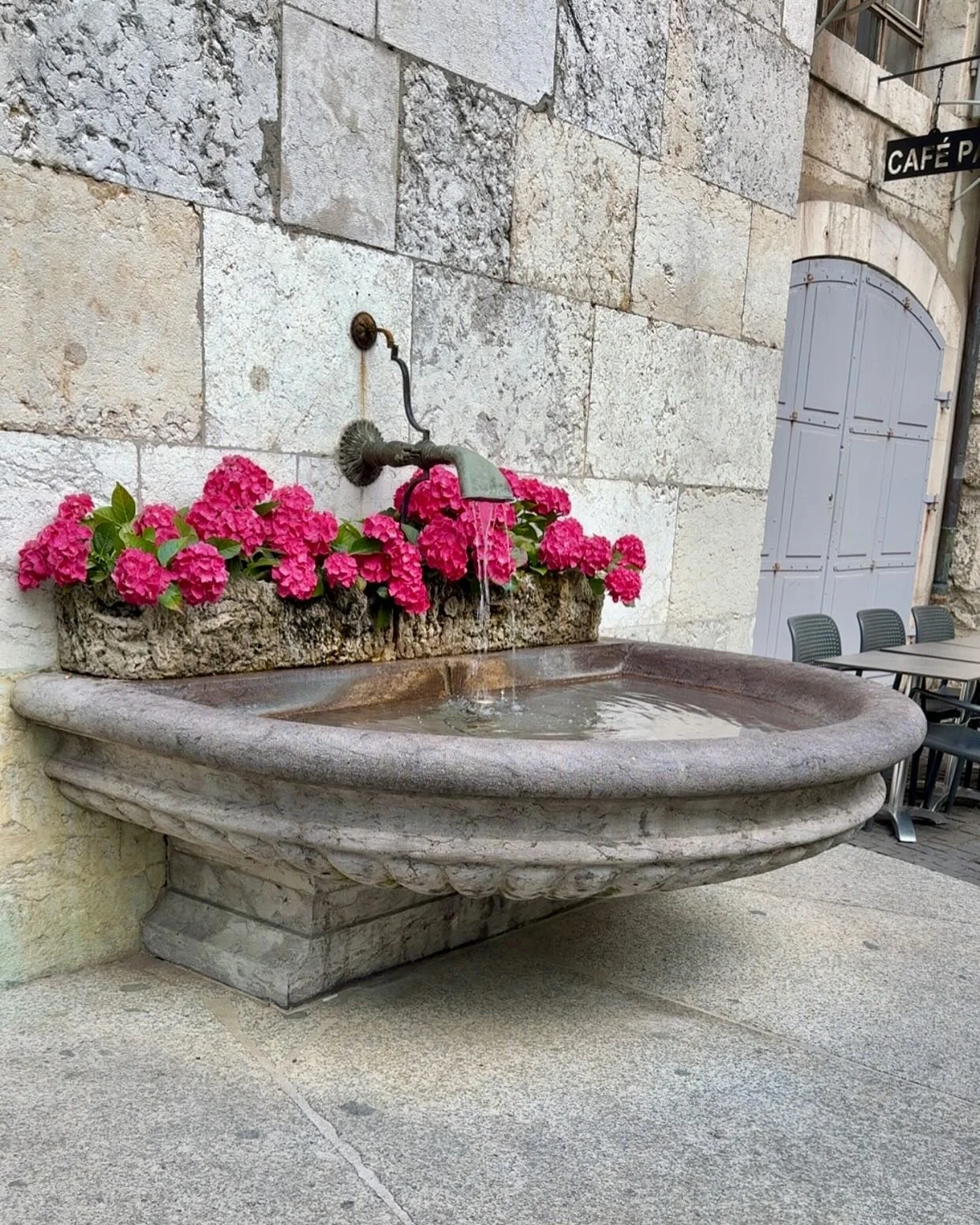
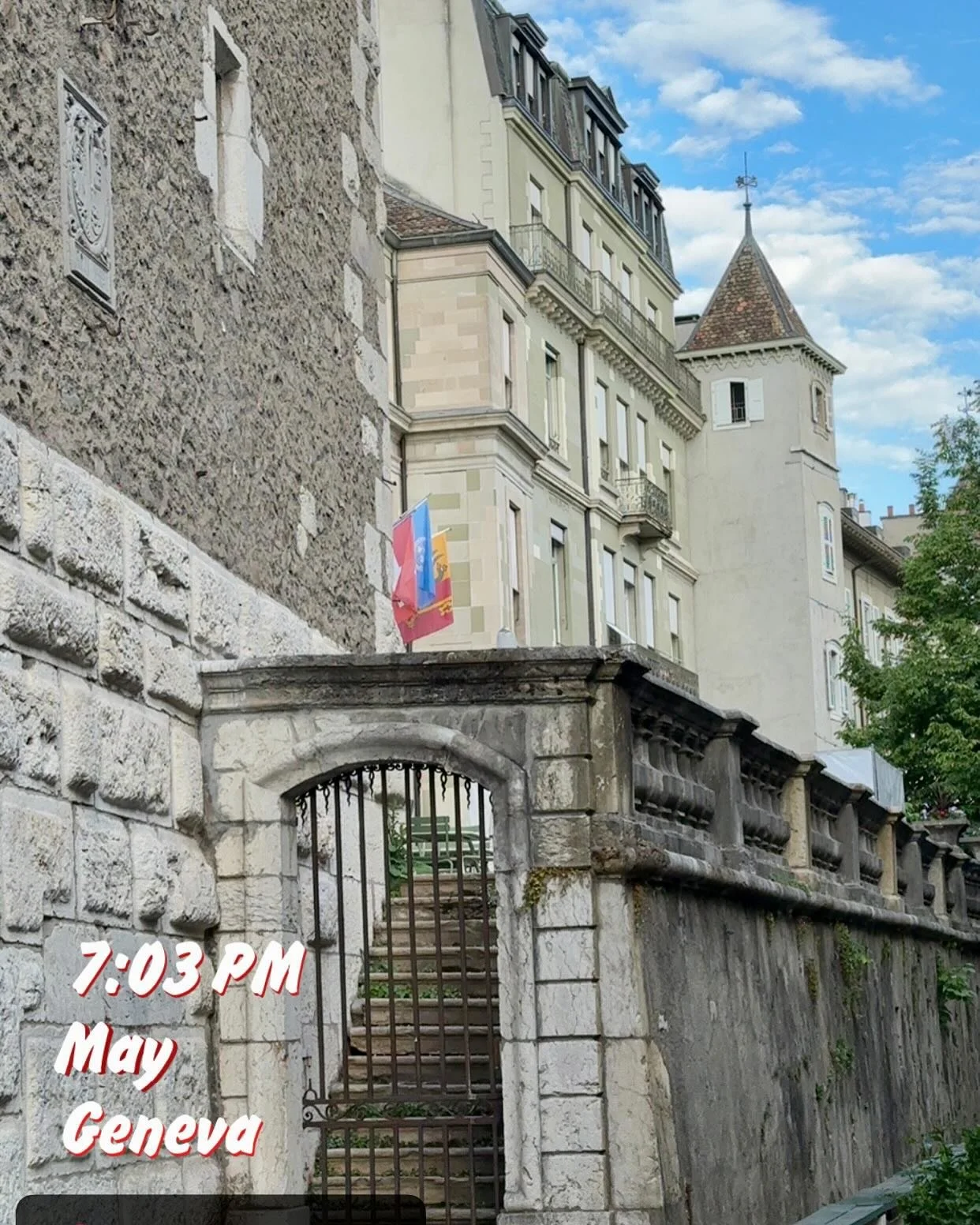
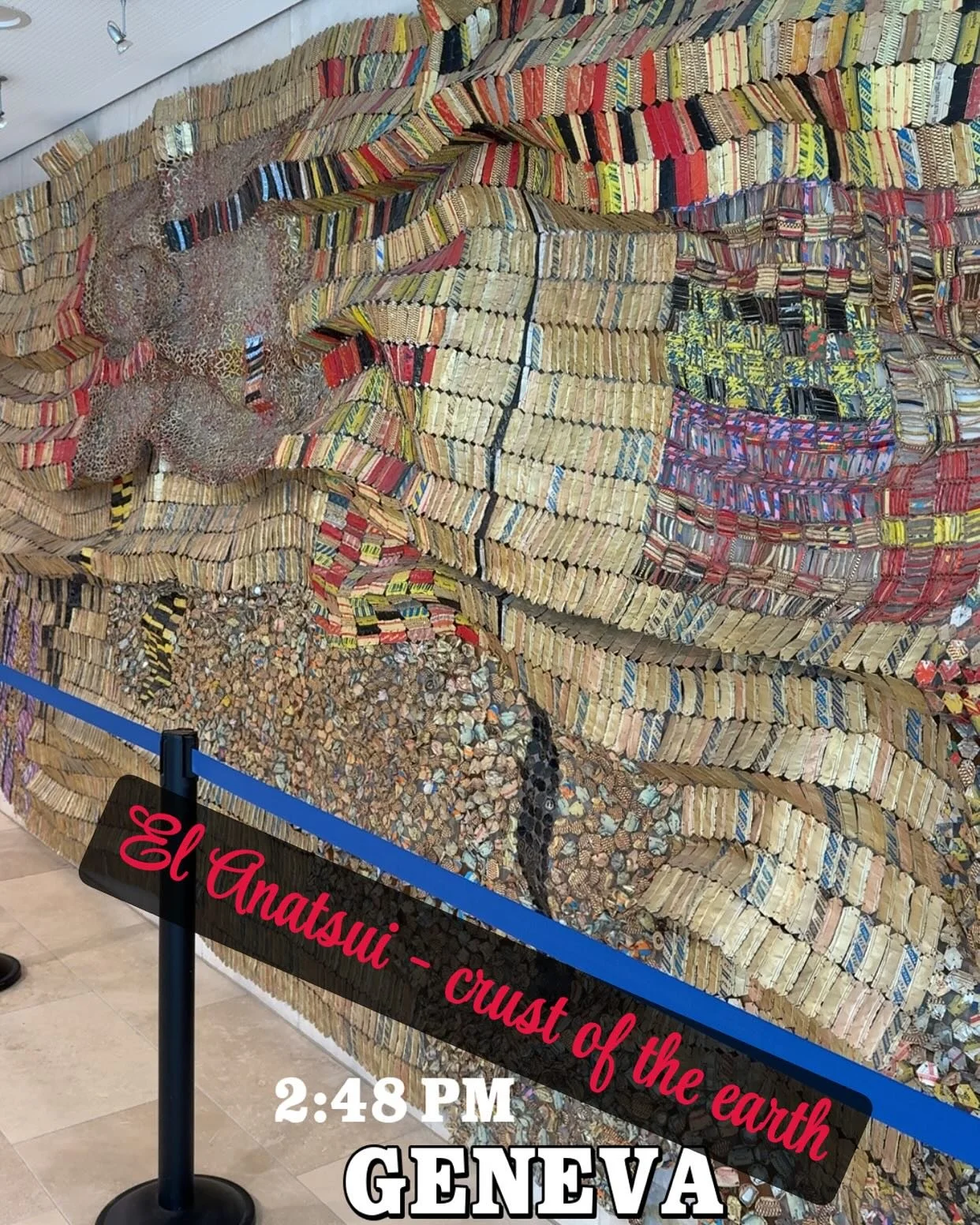
Always a pleasure to stroll around Geneva with its old town, lake, public art, and pleasant spring temperature.
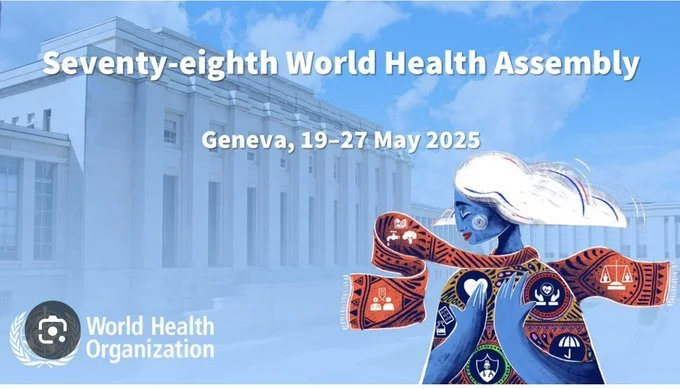
I’m here for a week of health-related meetings for the Partnership for Maternal, Newborn and Child Health, the Alliance for Health Policy and Systems Research, The Independent Panel for Pandemic Preparedness and Response, and the Global Commission on Drug Policy.
This is the week of the annual World Health Assembly which I last attended as New Zealand’s Minister of Health in 1989 and 1990. I strongly supported then the development of what became the WHO’s Framework Convention on Tobacco Control, in line with our smokefree New Zealand goals.
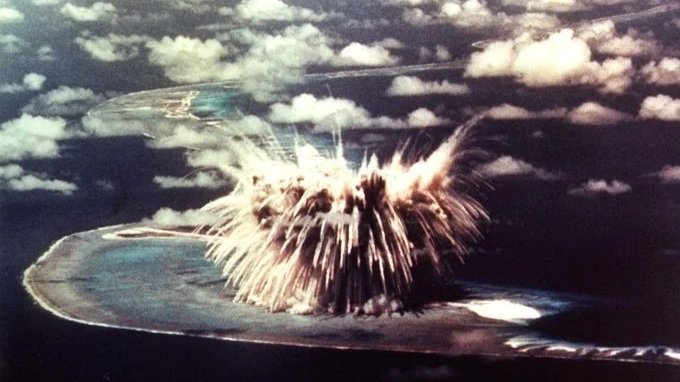
Nuclear power
23 May
Pleased to see New Zealand co-sponsoring WHA78 resolution on “Effects of Nuclear War on Public Health”. Resolution is led by Marshall Islands and Samoa, and calls for updating decades-old WHO reports on these issues.
26 May
WHA78 voted to support WHO updating its assessments of impacts of nuclear war on health and the environment in this 80th anniversary year of nuclear bombing of Japan. Disappointing vote: 84-14, 24 abstentions. 84 isn’t a majority of Member States. Health Policy Watch.
27 May
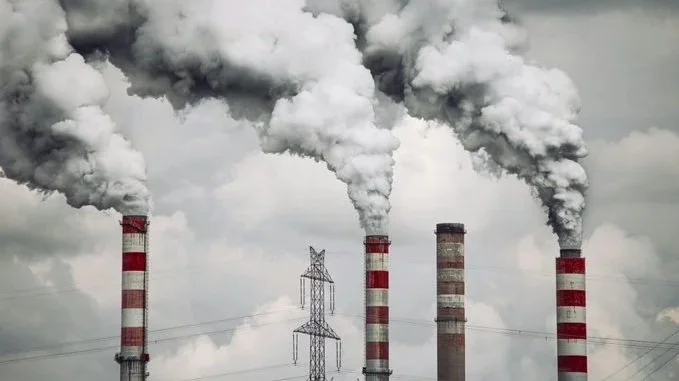
Let’s hope WHO’s Action Plan on Climate Change and Health moves forward at WHA78 today. A vocal group of countries has tried to thwart it, flying in the face of scientific evidence of the serious impact of climate change on health and health systems. Health Policy Watch.
27 May
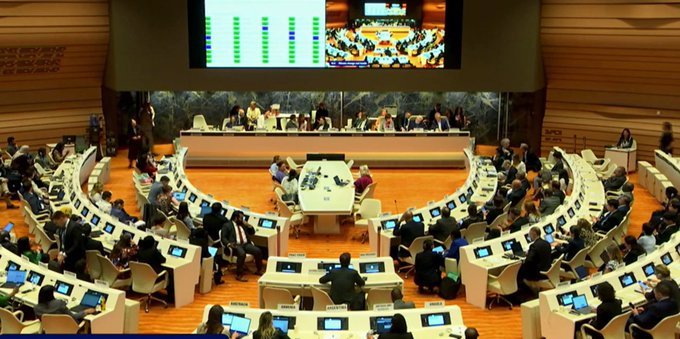
Climate Change has a huge and well documented impact on health as annual Lancet Countdown reports show. Now WHO has had its work plan on climate change & health approved 109-0 at WHA78. A number of fossil fuel-rich states had argued strongly against it: Health Policy Watch.
28 May
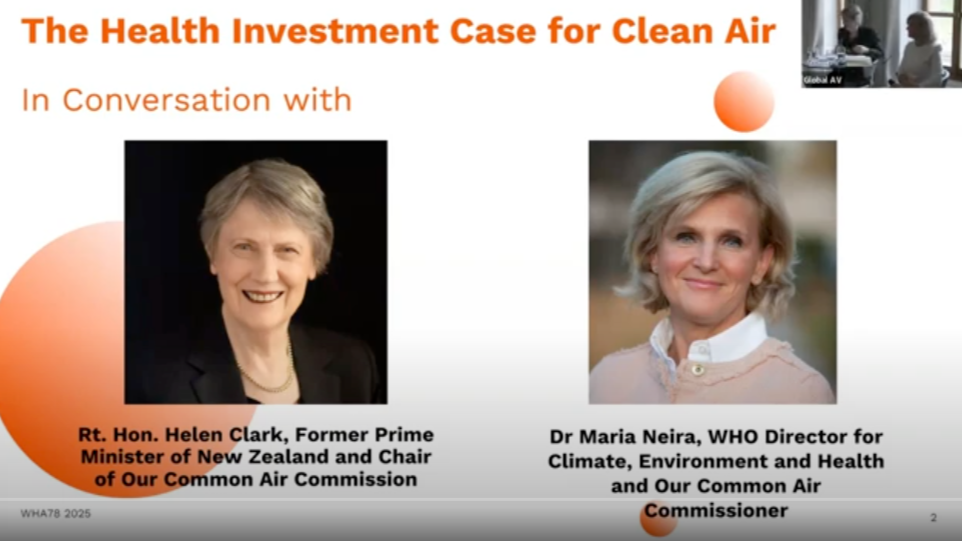
Air pollution is a major health challenge; it’s estimated to kill 7 million people each year. Our Common Air and Clear Air Fund hosted an event during WHA78 on the health investment case for action. I was in conversation with Dr Maria Neira on the WHO target to halve health impacts by 2040.
JUNE
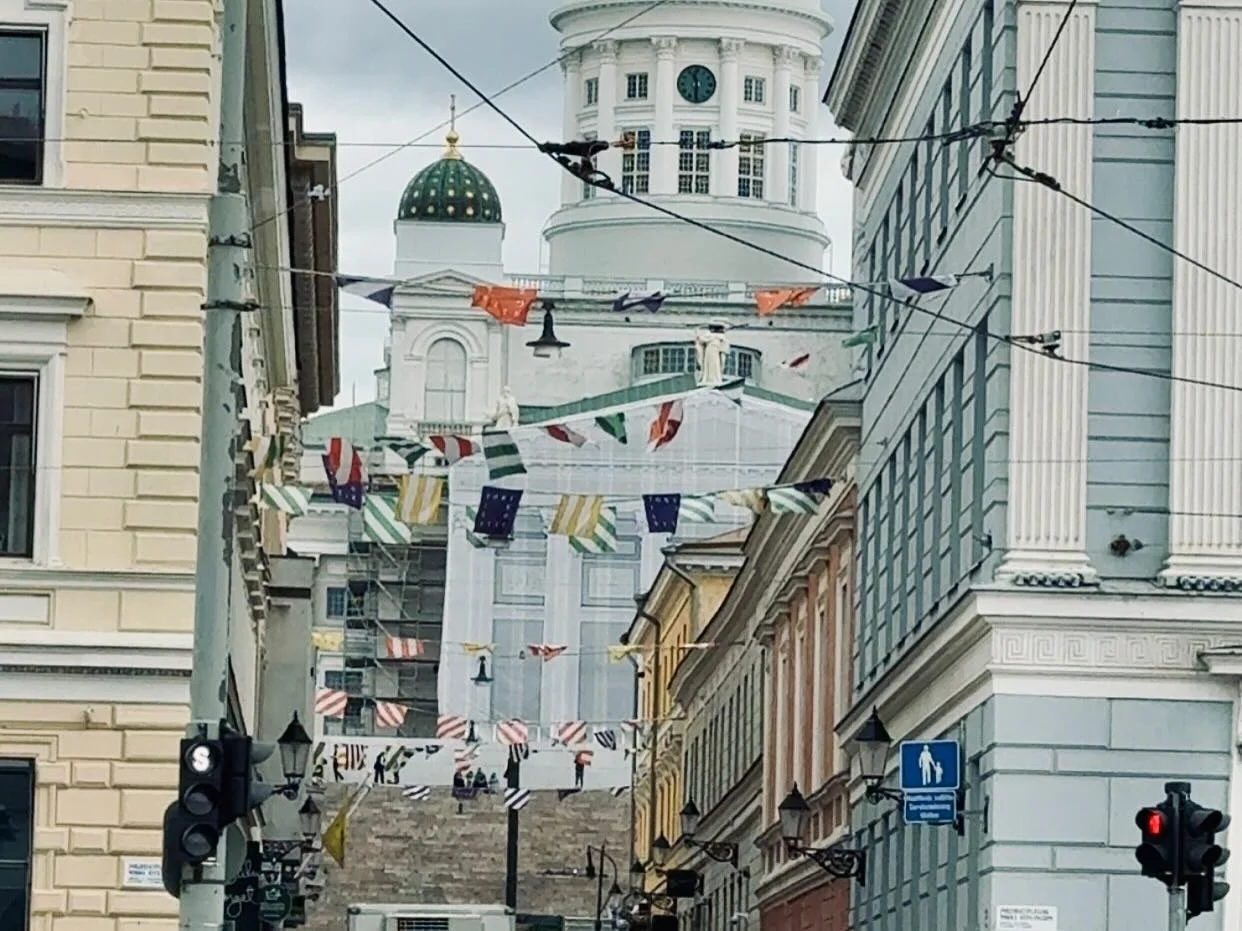
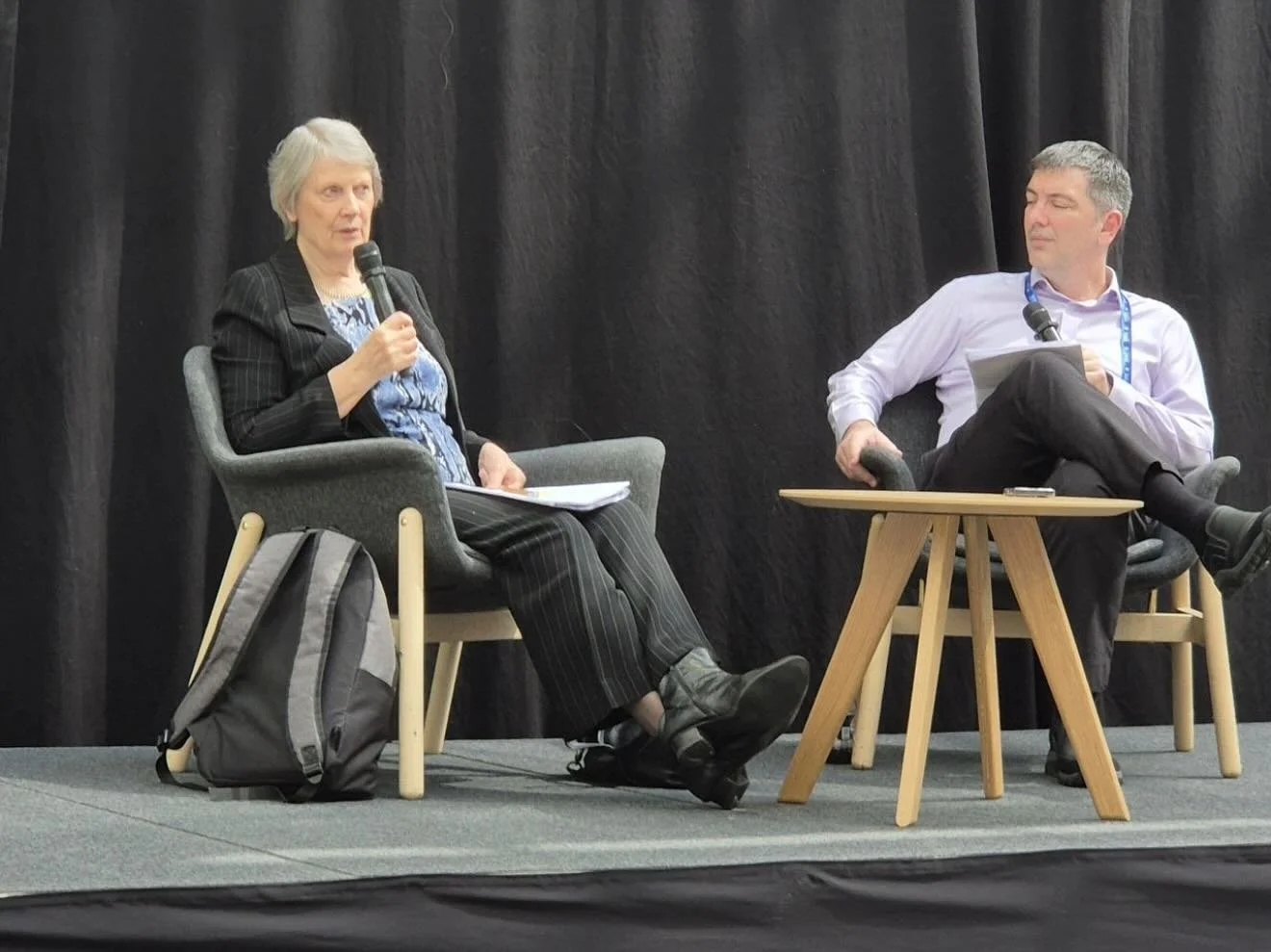
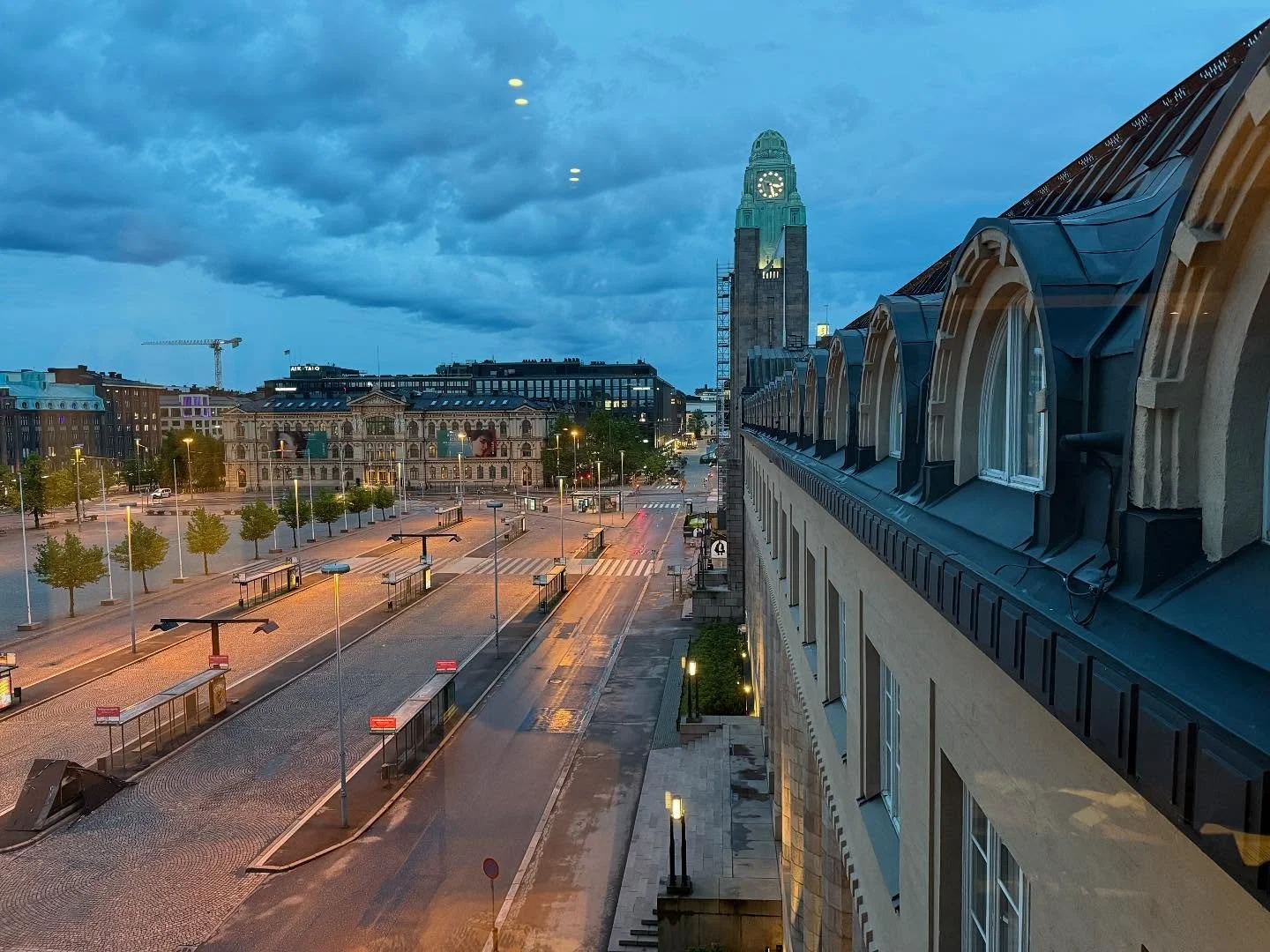
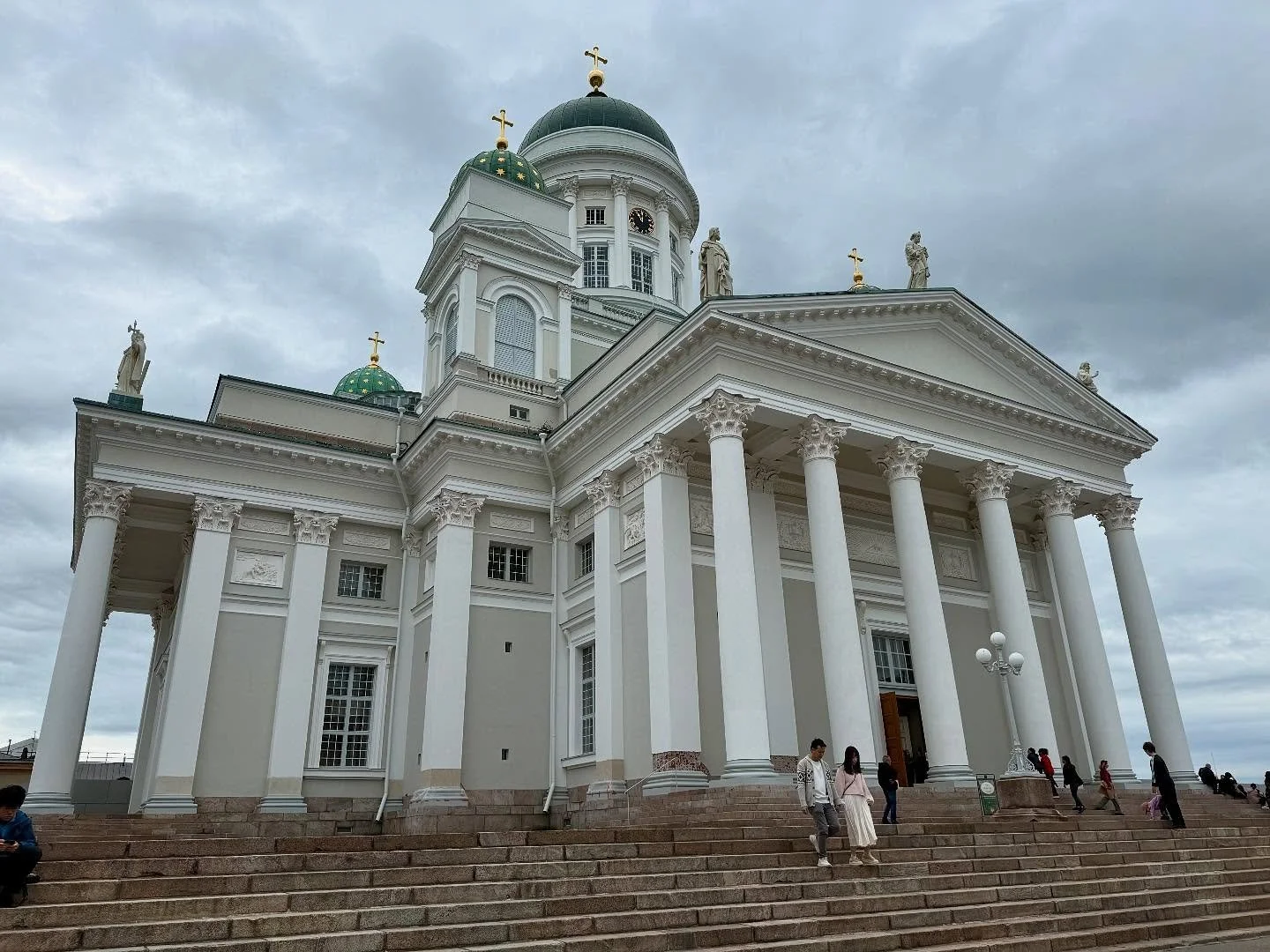
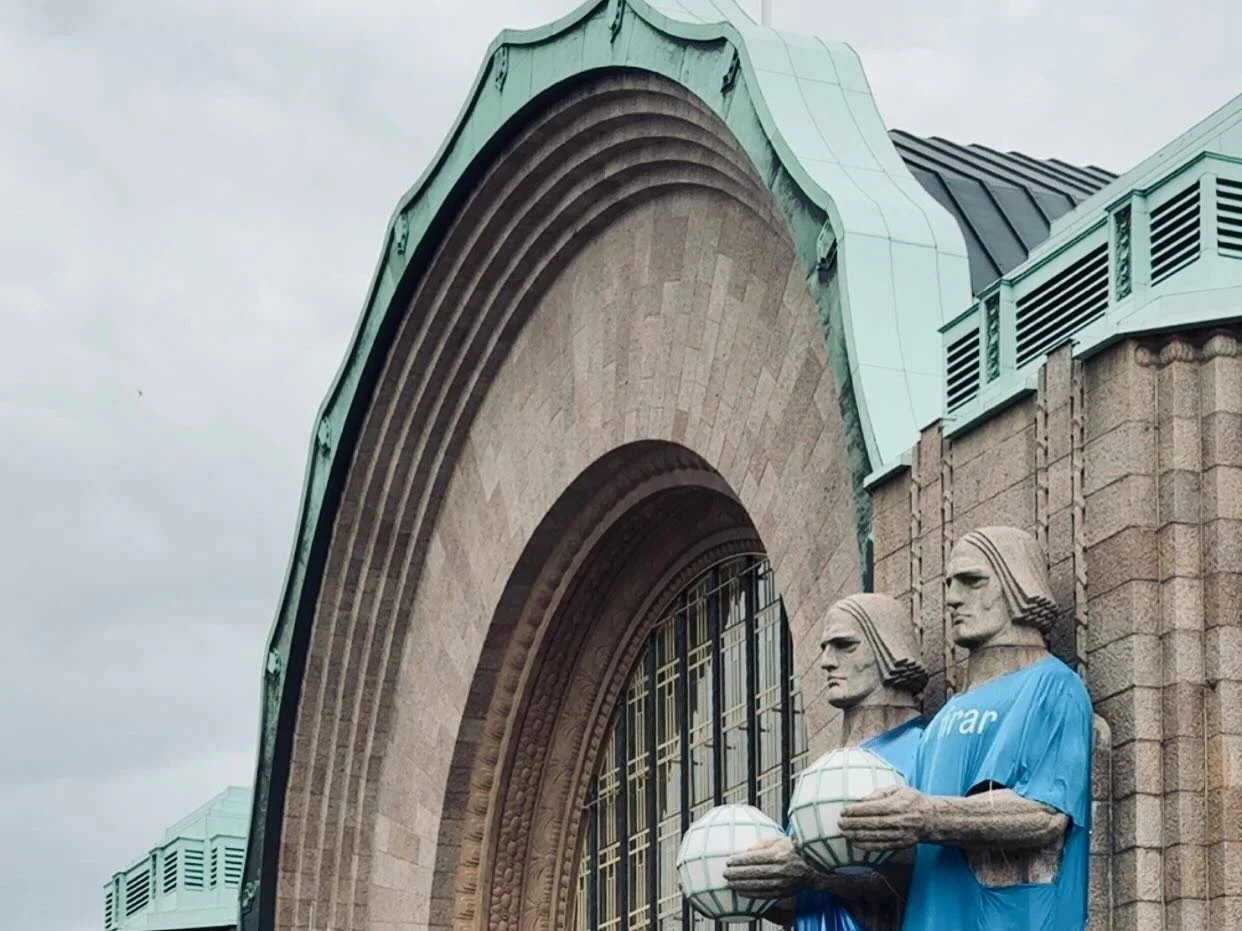

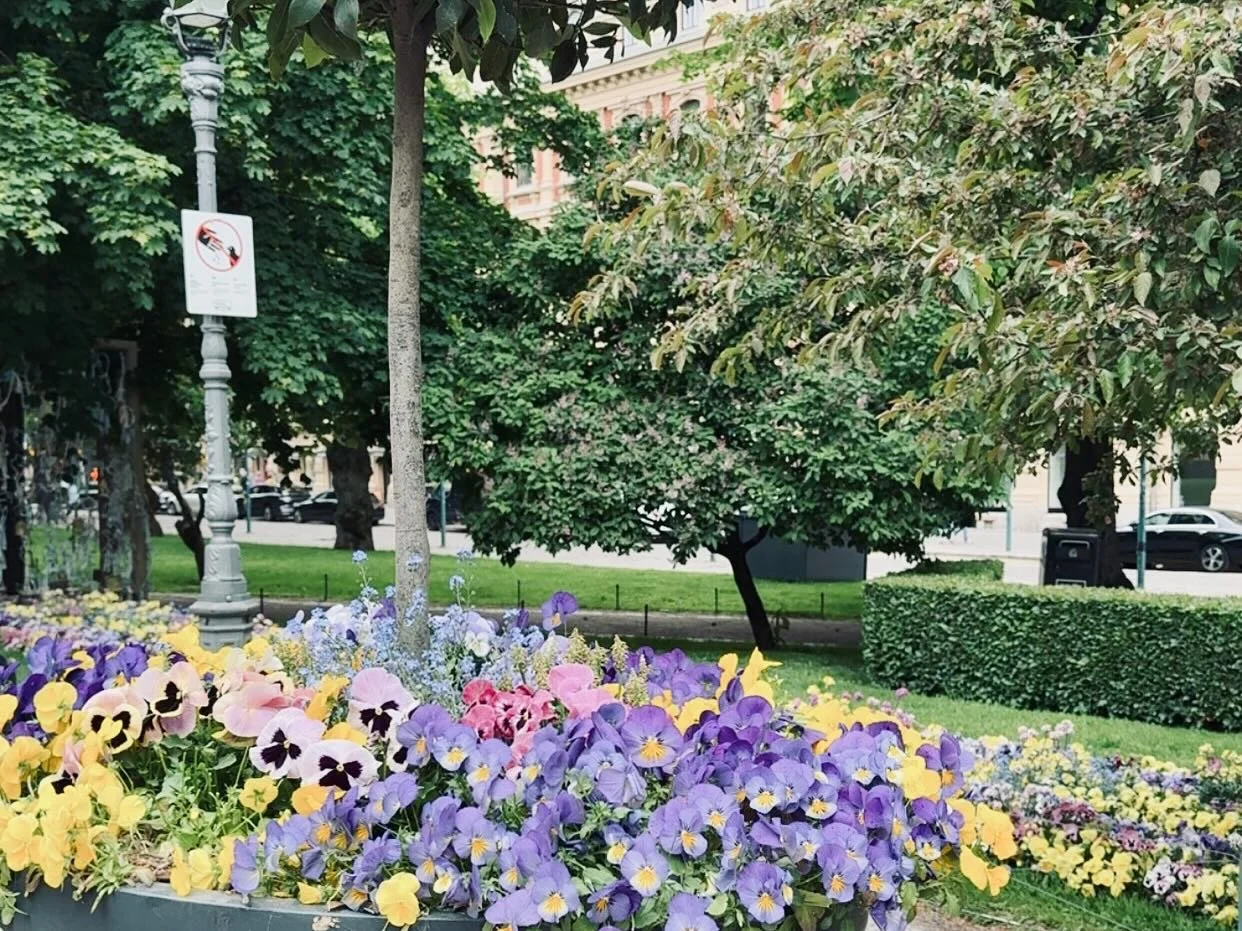
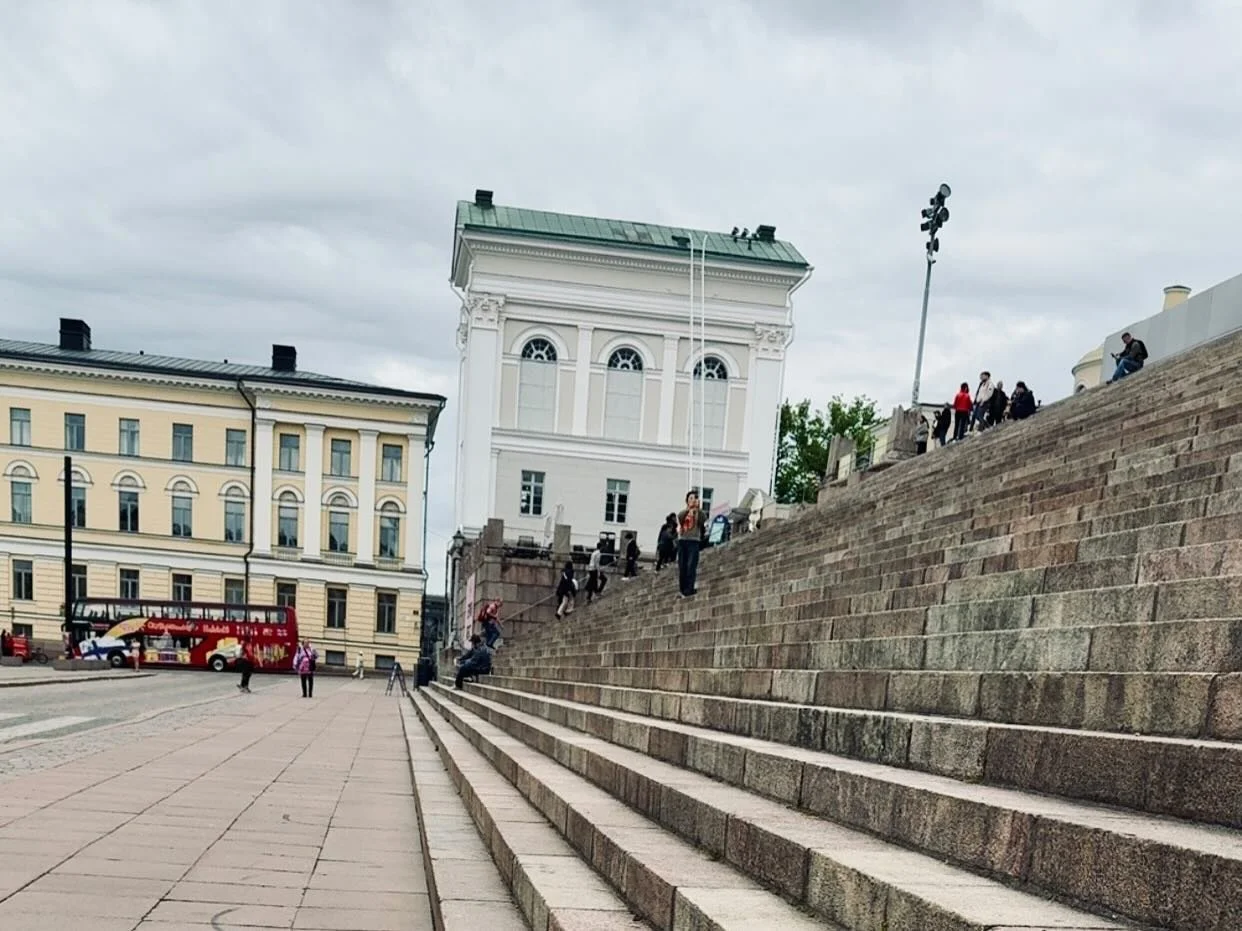
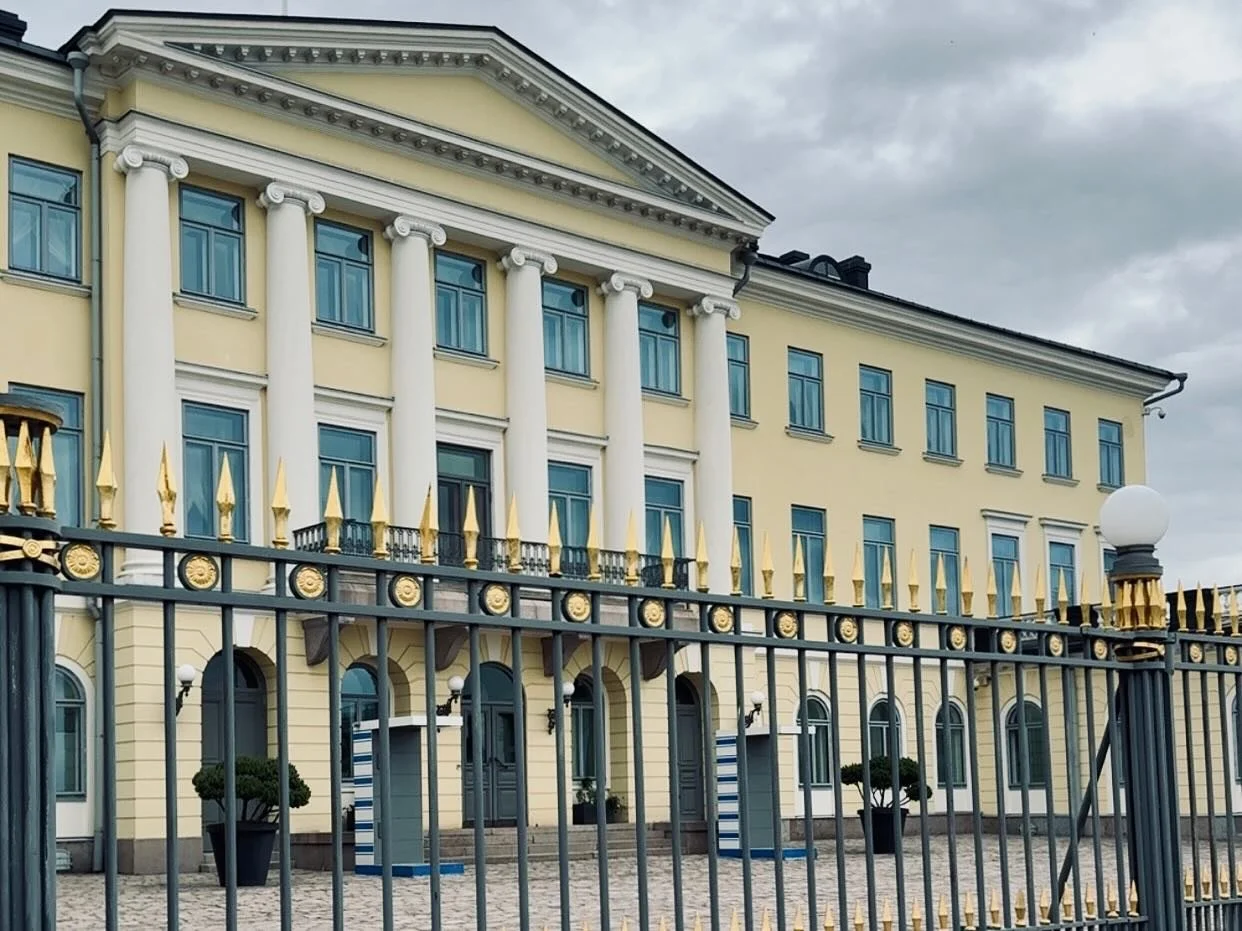
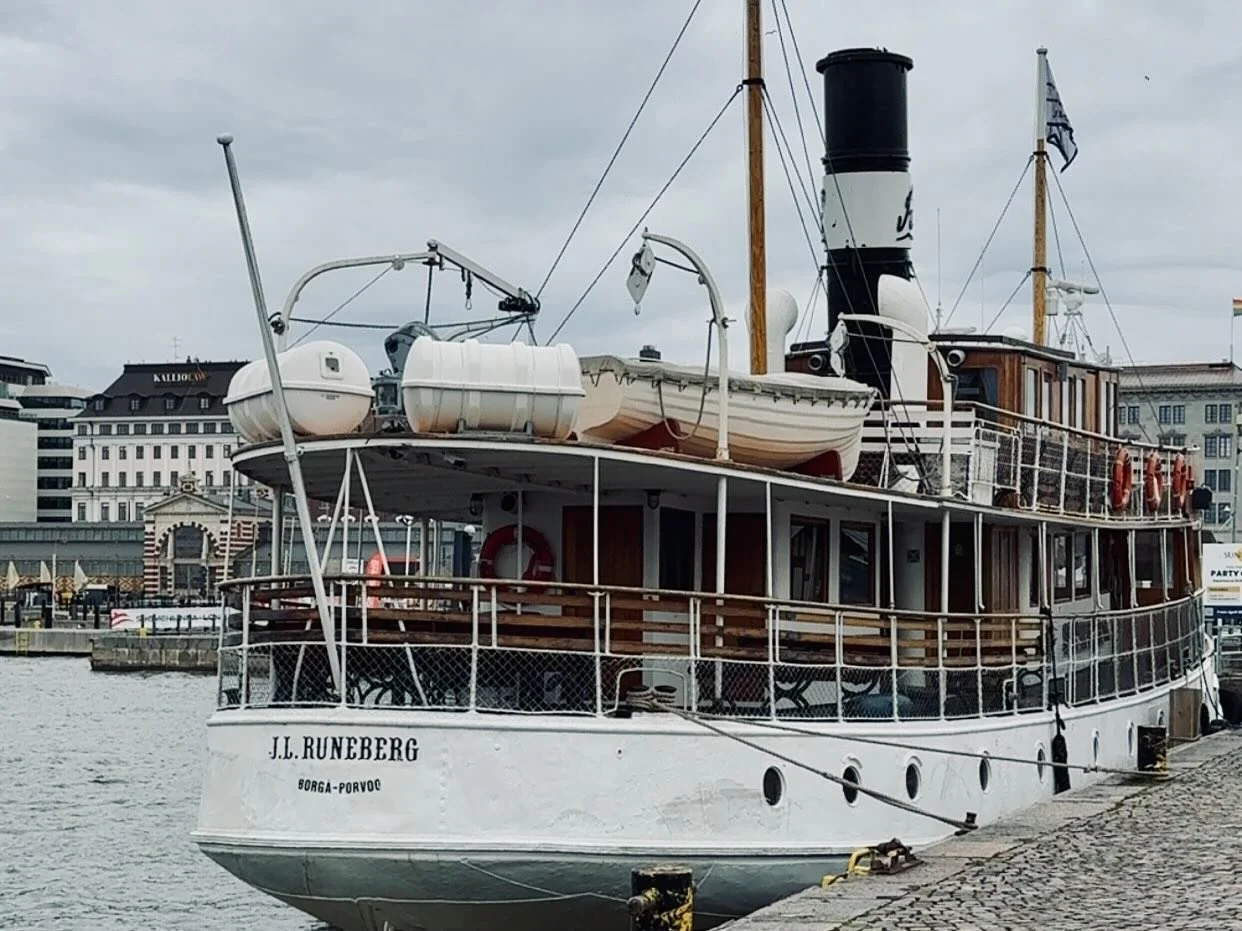
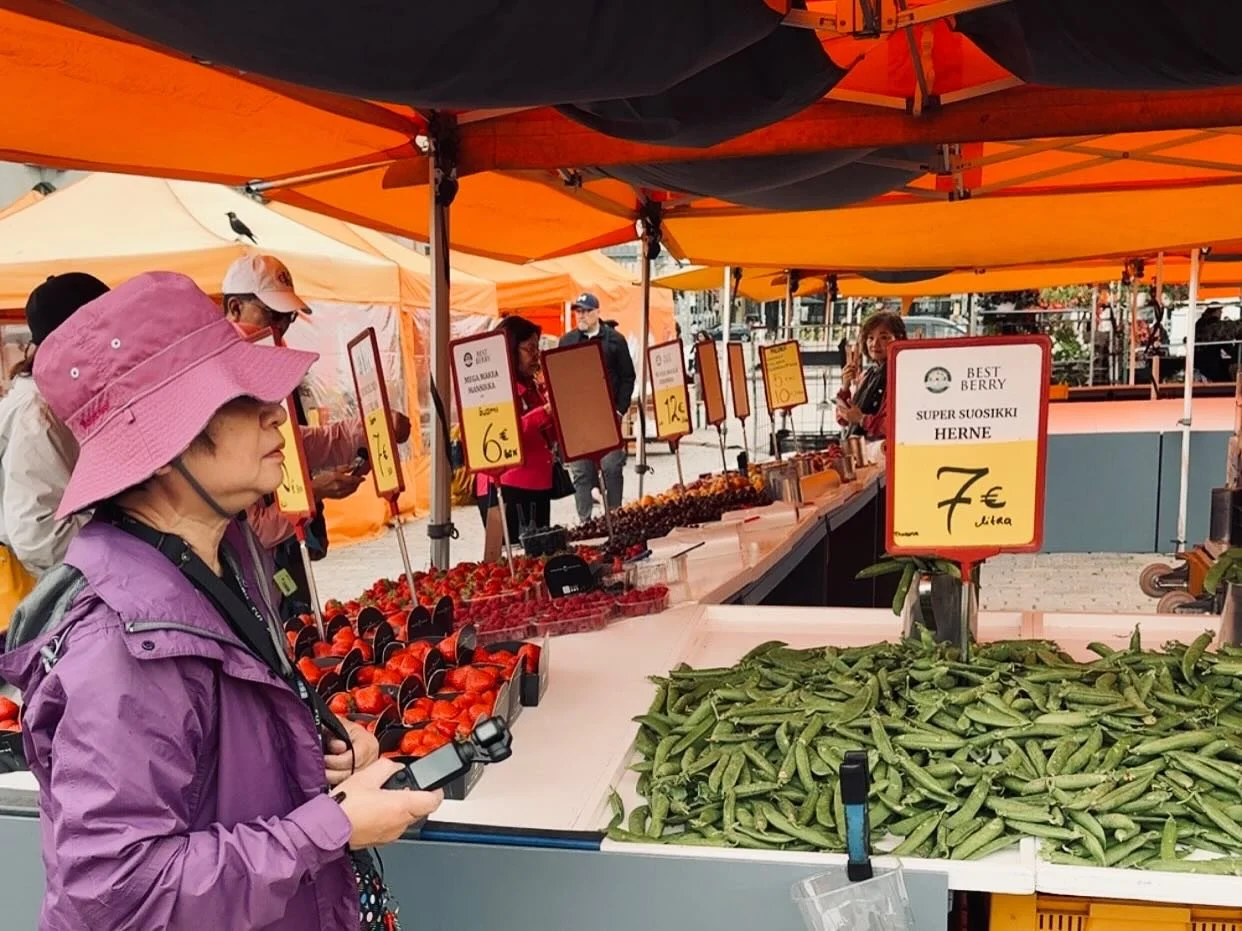
International Council of Nurses Conference - Helsinki
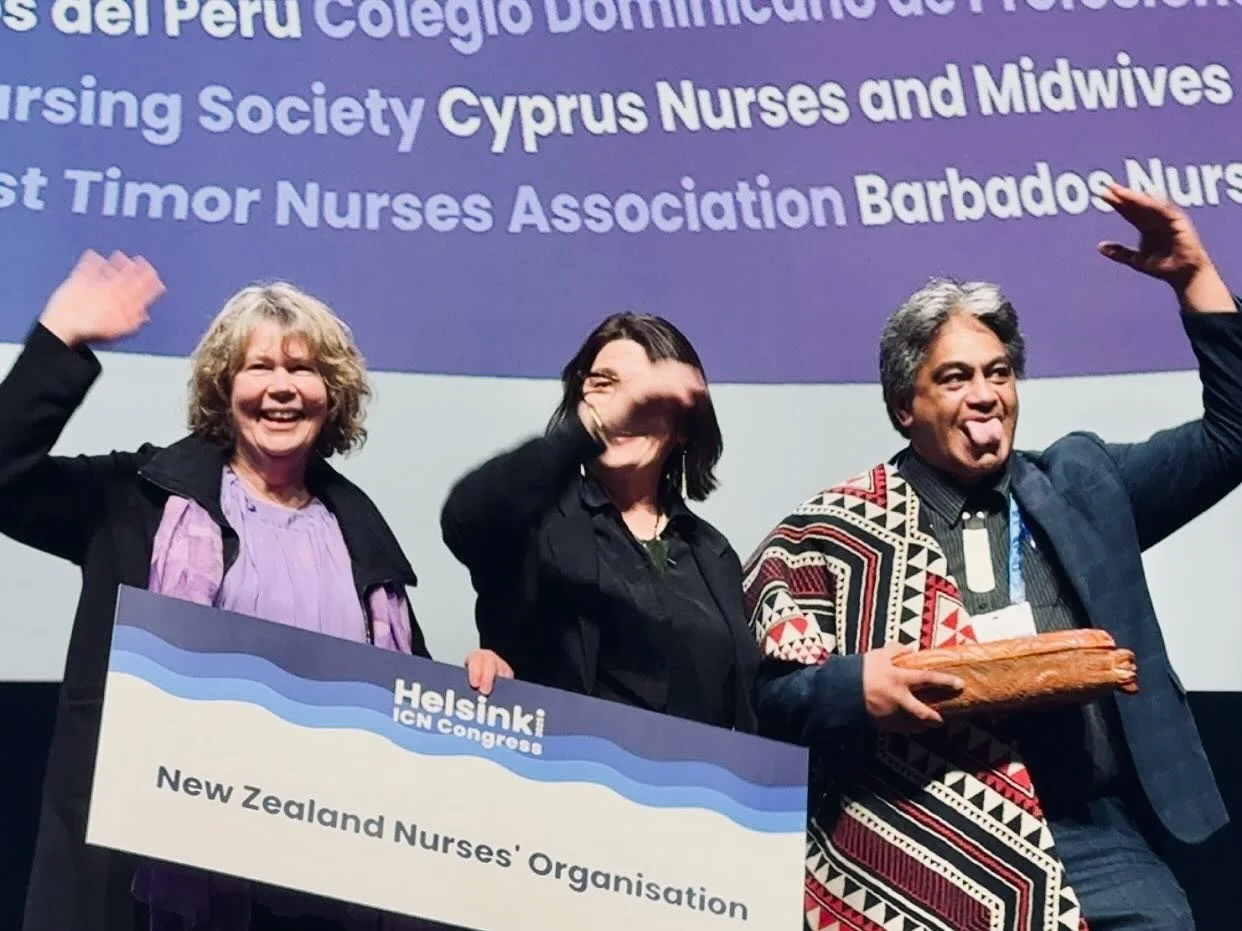
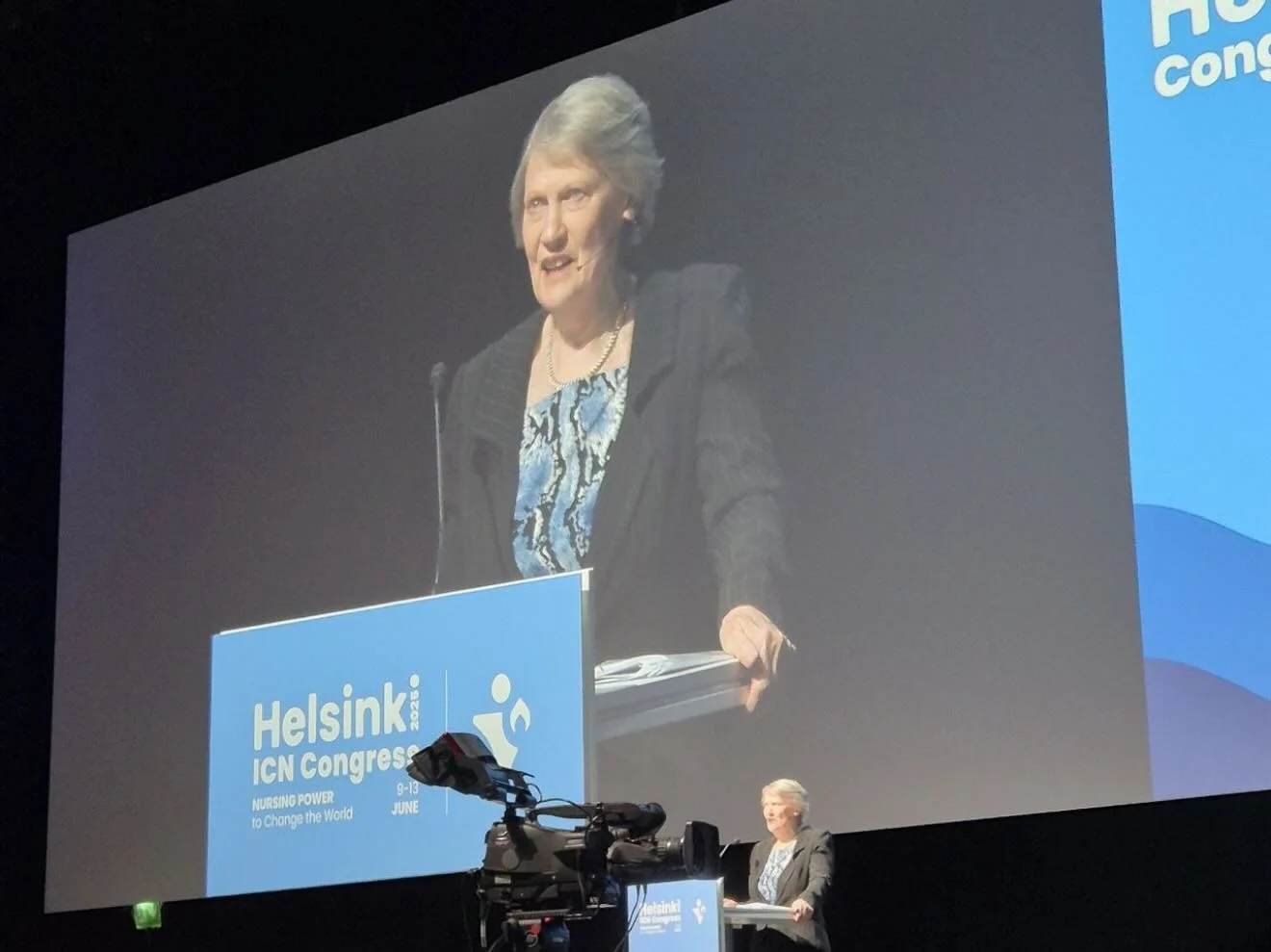
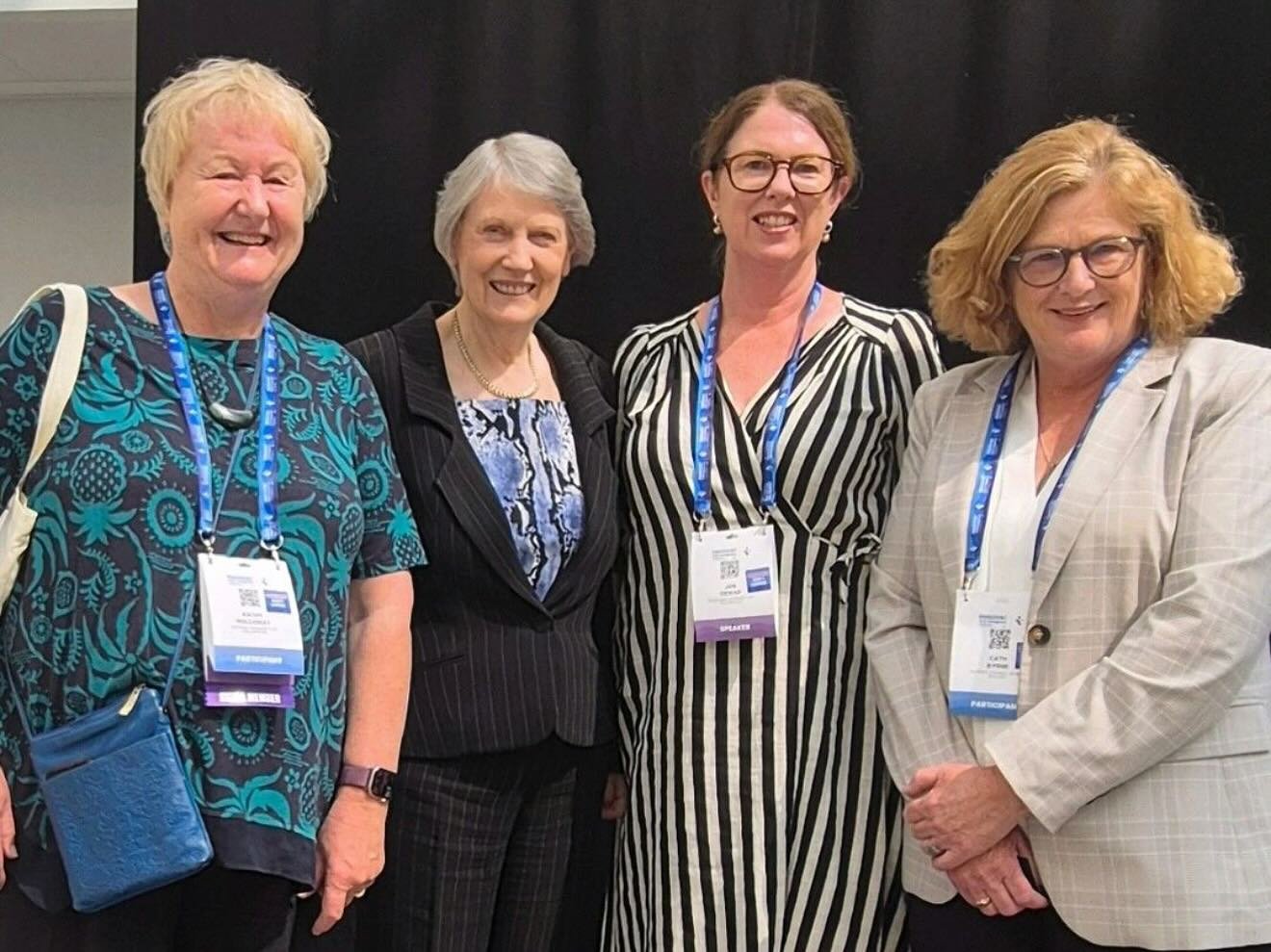
A pleasure to return to Helsinki for the conference of the International Council of Nurses which honoured me with the presentation of its Health and Human Rights Award.
Nurses from around the world gathered there, including from New Zealand. The world faces a nursing shortage: recruitment, pay, and conditions are all major issues for nurses.
As well, nurses serve on the frontlines of all the world’s crises - in conflict zones and when disasters strike, including serving through the most desperate days of the Covid 19 before there were vaccines and effective treatments. Many nurses died trying to save others.
It was good to walk around familiar spots in Helsinki which I first visited in 1976! The night light - so close to the longest day of the year - was beautiful.
London
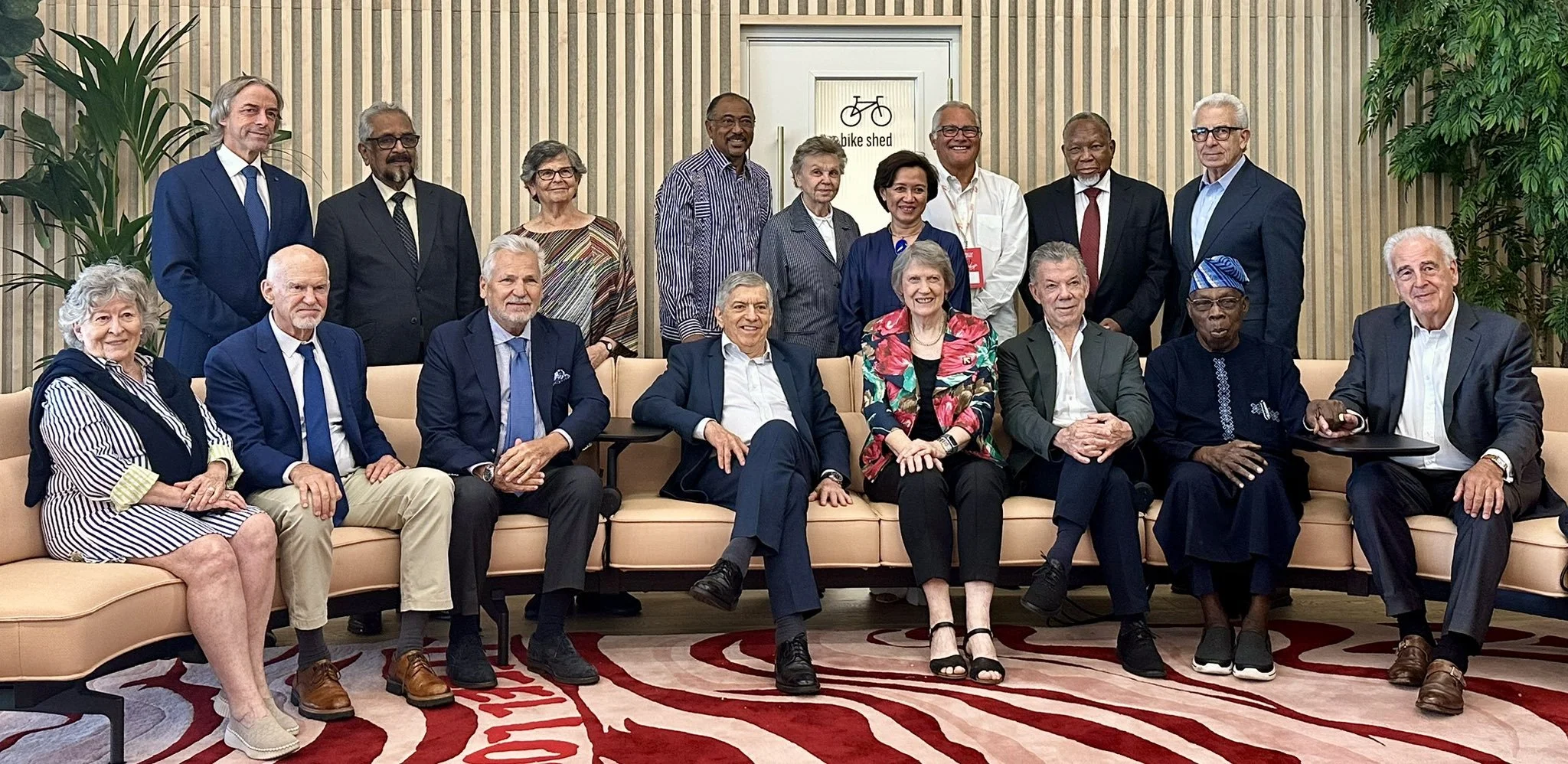
Global Commission on Drug Policy - Annual Plenary Meeting
The Global Commissioners have gathered in London to discuss and shape future policies.
GLASGOW
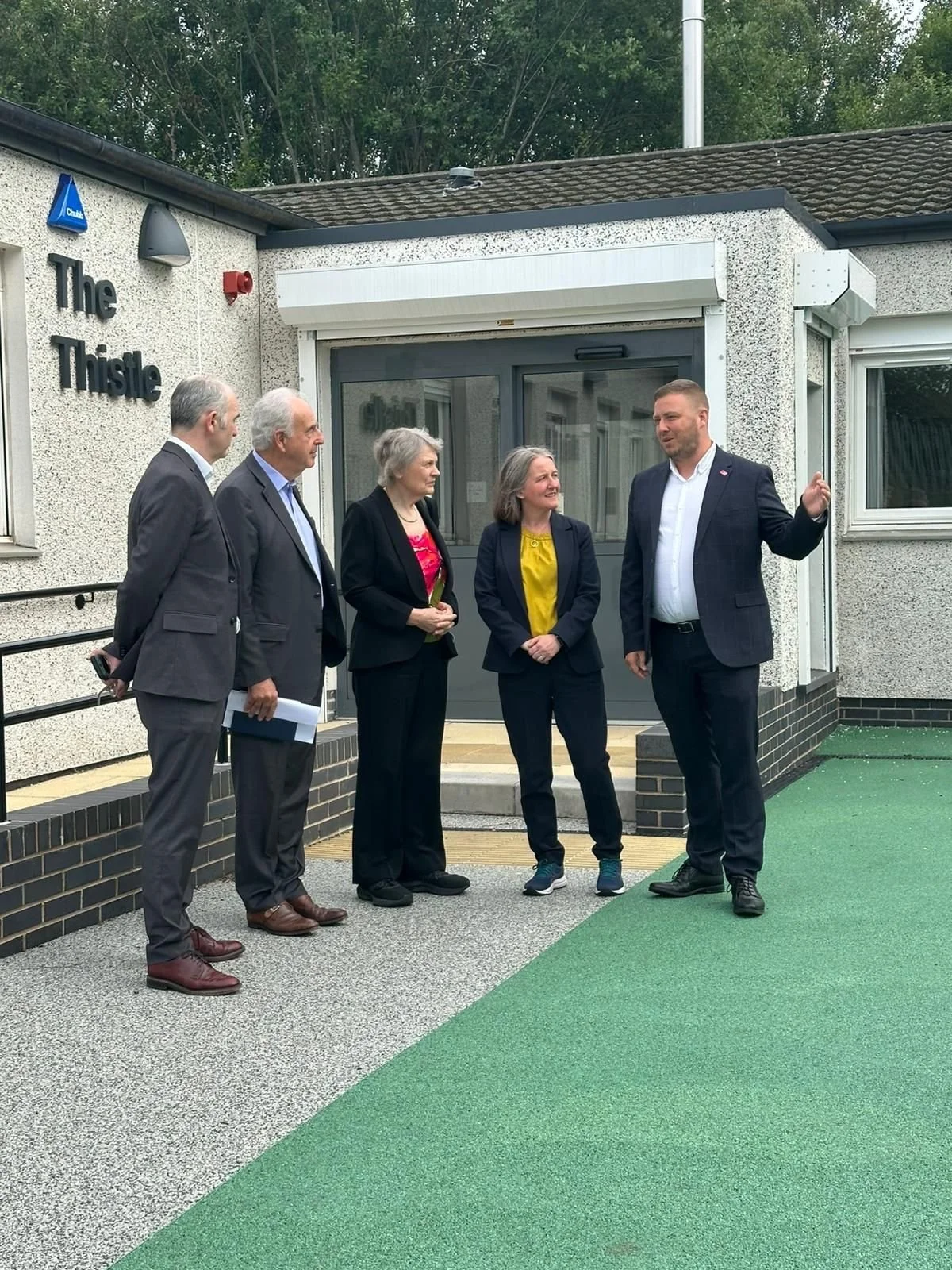
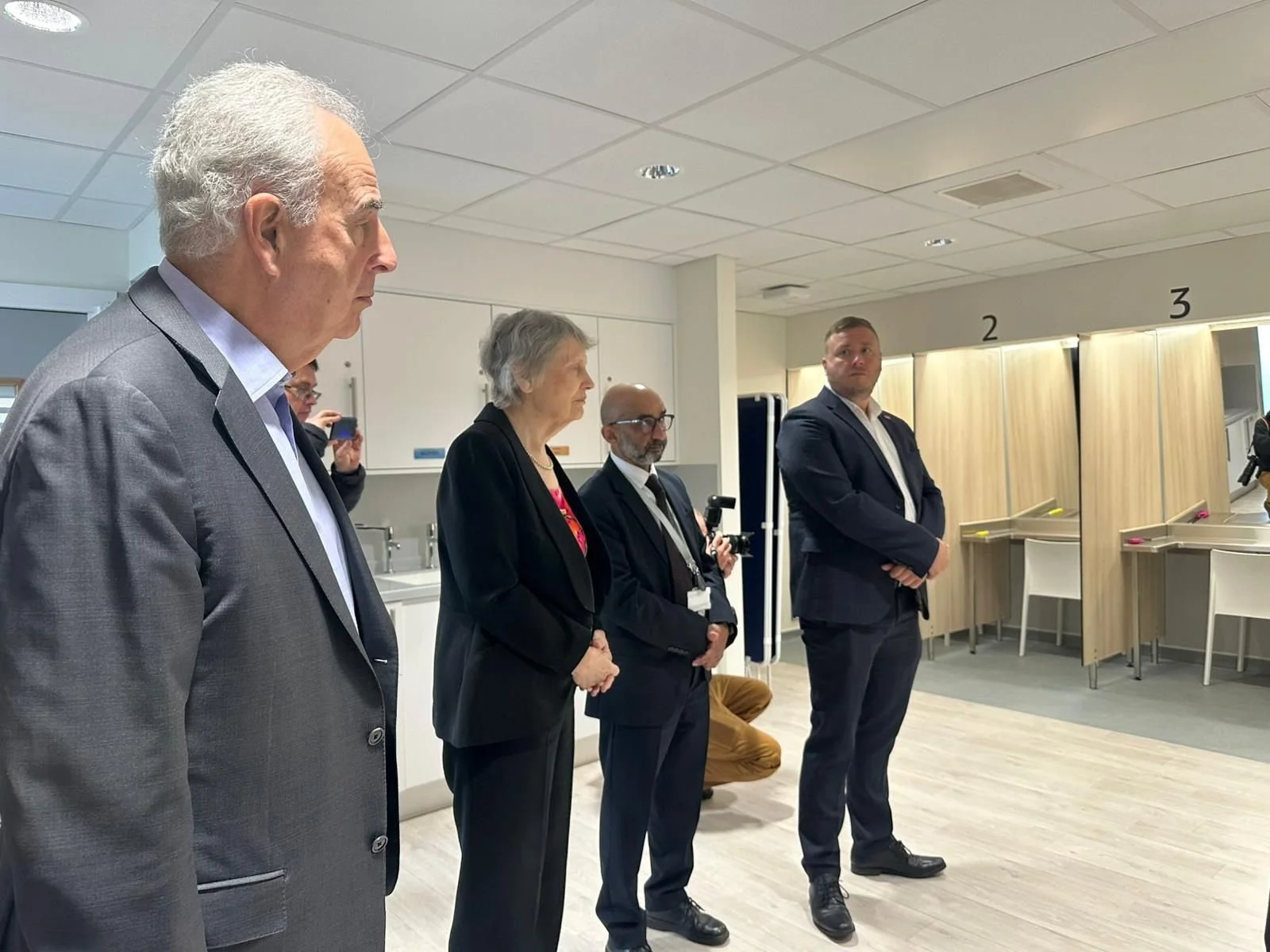
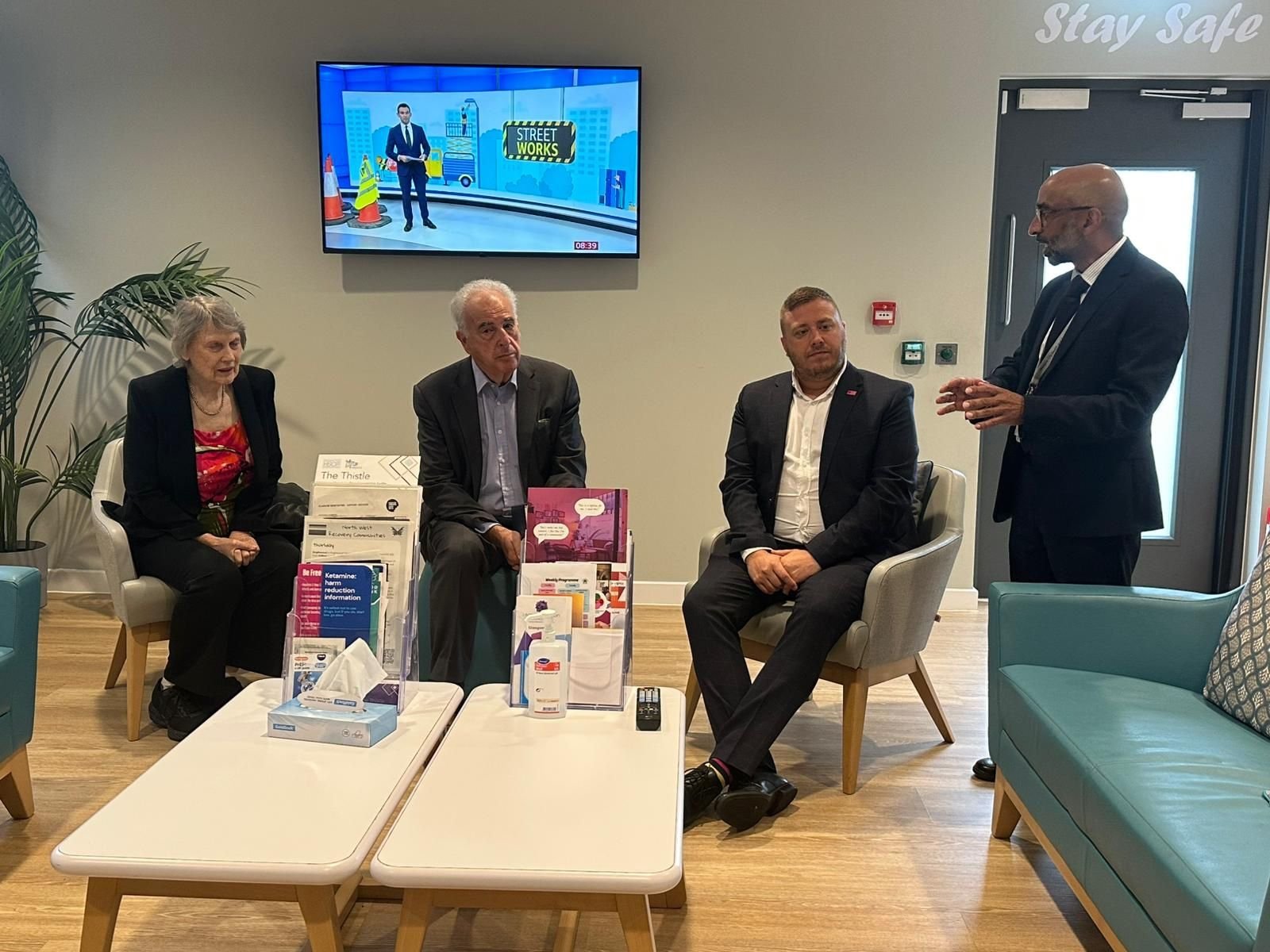
Visit to The Thistle, safe consumption facility in Glasgow
I was pleased to visit the Thistle Safe Consumption Facility in Glasgow alongside fellow Global Commission on Drug Policy member Michel Kazatchkine and Scottish Government Minister Maree Todd. This pioneering initiative is a powerful example of what can be achieved when public health is prioritised over punishment.
The opportunity to tour the facility and meet with the dedicated staff was both informative and inspiring. Since opening, the team has removed over 3,000 needles from the streets and supported more than 350 individuals through compassionate, person-centred care. Their work is making a tangible difference — not just to those who use the service, but to the wider community as well.
THE LATEST FROM THE HELEN CLARK FOUNDATION
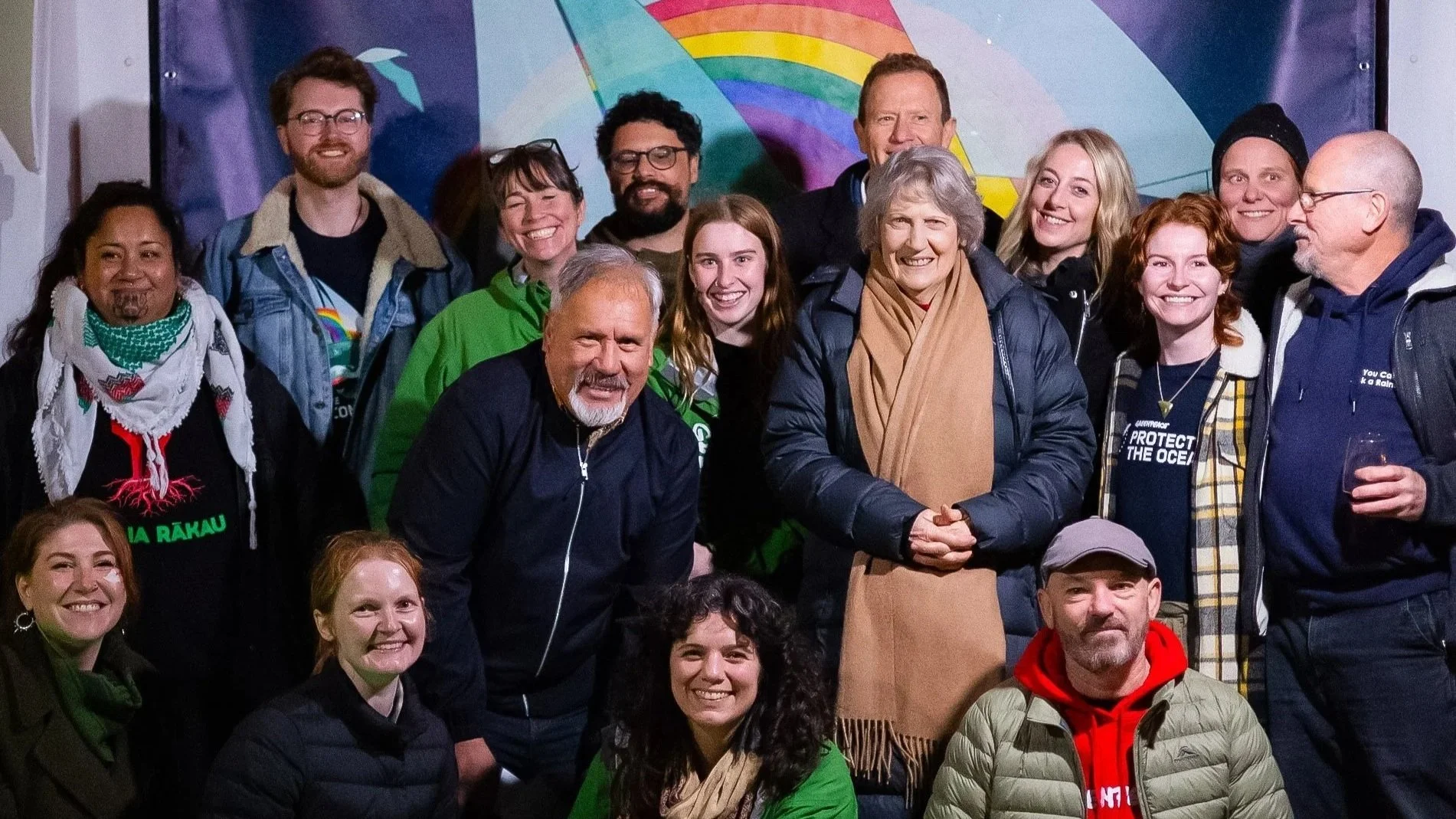
WEBINAR: The Rainbow Warrior, 40 years on
From Pacific Island protests to international diplomacy, New Zealand’s anti-nuclear movement is a cornerstone of our national identity and independent foreign policy. But in an era of rising global tensions, emerging technologies and renewed challenges to sovereign decision-making, what does it mean to remain nuclear free today? We marked the 40th anniversary of the bombing of the Rainbow Warrior by bringing together a panel of experts and activists to reflect on the development, legacy and future of New Zealand’s nuclear free stance.
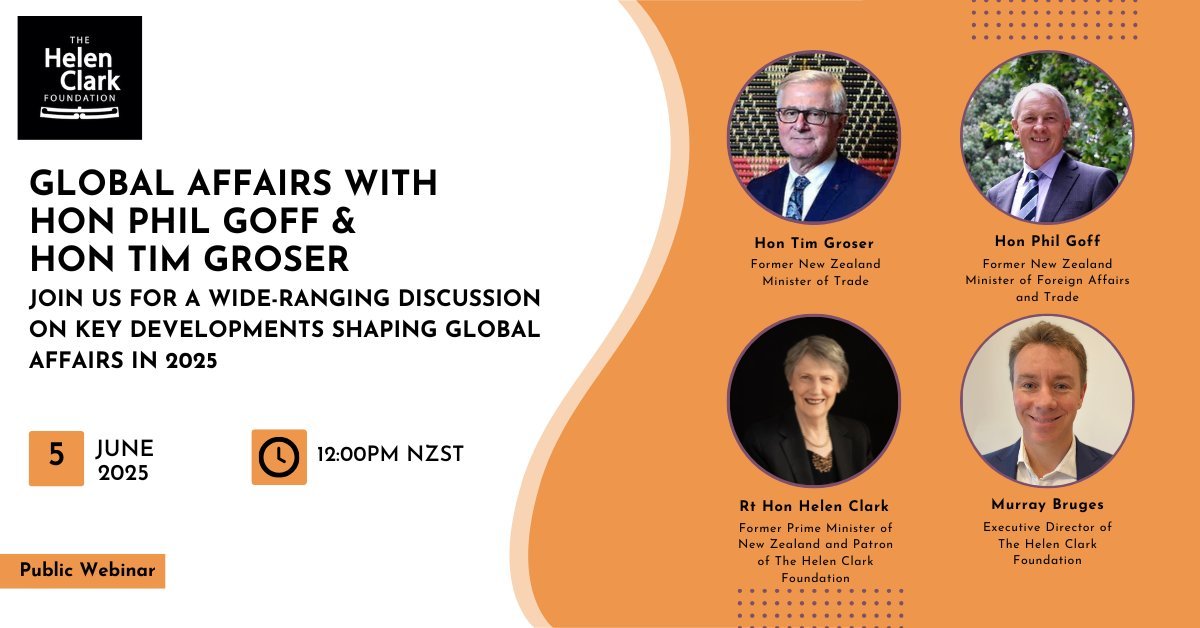
WEBINAR: Global Affairs with Hon Phil Goff and Hon Tim Groser
This was a wide-ranging discussion on key developments shaping global affairs in 2025 with Hon Phil Goff, former Minister of Foreign Affairs and Trade in Helen Clark’s Government, and Hon Tim Groser, former Minister of Trade in John Key’s Government.
The discussion was moderated by the Rt Hon Helen Clark. It covered rapidly shifting developments in international trade, the recent elections in Canada and Australia, ongoing conflicts in Europe and the Middle East and their regional implications and the challenges and opportunities ahead for New Zealand in an increasingly turbulent world.
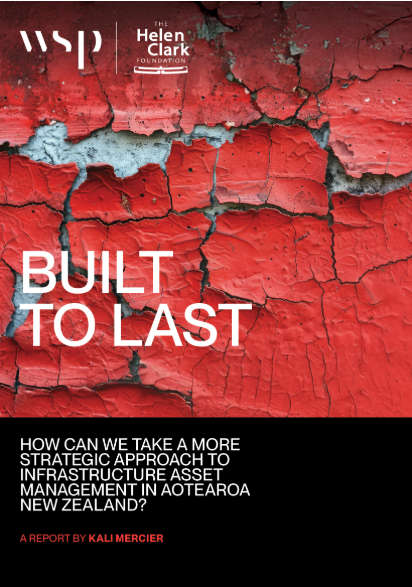
REPORT: Built To Last
How can we take a more strategic approach to infrastructure asset management in Aotearoa New Zealand?
This report by WSP and the Helen Clark Foundation warns that many of our mounting infrastructure challenges stem from a preventable lack of basic upkeep of assets.
"Right now, asset condition data is often unavailable to the public — or even to other decision-makers within government. This lack of visibility prevents scrutiny and undermines accountability."
A recent article in the New Zealand Herald sets out some of the key points of the report.
Would you like to stay up to date with our news? Why not subscribe to The Helen Clark Foundation’s monthly newsletter?